

Weight loss,explained.
Medical weight management has changed more in the last few years than in the decades before it. This page gathers our guides on how GLP-1 and dual-agonist medications work, what to expect month by month, the side effects worth knowing, and the everyday questions about food, training and travel.
Each guide cites its sources and says plainly what is FDA-approved, what is off-label and what is compounded. Your prescriber sets any dose; nothing here replaces that conversation.
Ready to talk to a provider?
An independent licensed provider reviews your history and decides whether treatment is appropriate.
Explore weight care →Guides
58 articles, newest additions included automatically.
Weight & Metabolic · 9 min
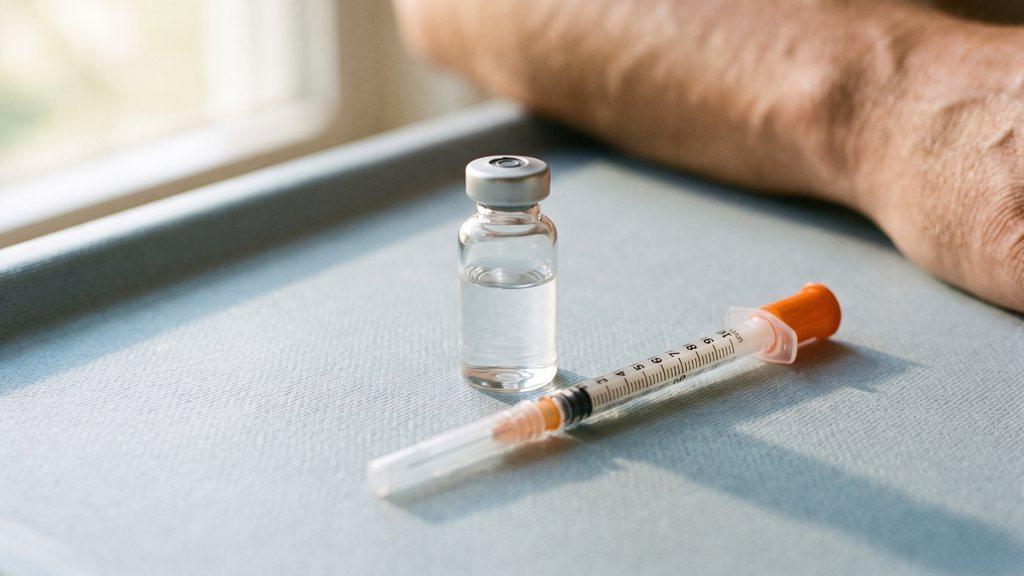
GLP-1 Microdosing: What the Evidence Actually Says
Roughly one in seven injectable GLP-1 users now reports taking less than the labeled dose. Here is what the research supports, what it doesn't, and how a provider thinks about it.
Read the guide →
Weight & Metabolic · 9 min
What Happens When You Stop a GLP-1? Regain, Explained
The data on stopping is now clear enough to plan around. Here is the year-one trajectory, why it happens, and the ways a provider helps you come off, or stay on, deliberately.
Read the guide →
Weight & Metabolic · 8 min
GLP-1 and Muscle Loss: How to Protect Lean Mass
Losing weight fast is not the same as losing fat. Here is what GLP-1 trials show about lean mass, and the practical plan that keeps your strength while the scale moves.
Read the guide →
Weight & Metabolic · 8 min
How Much Do GLP-1s Cost Without Insurance in 2026?
Cost is the most-asked GLP-1 question of 2026. Here are the actual ranges by route and source, the line items programs leave out, and how to compare offers honestly.
Read the guide →
Weight & Metabolic · 13 min
GLP-1 Weight Loss: The Complete Guide
Everything in one place: how GLP-1 medications work, who qualifies, the main options, side effects, realistic timelines and what a well-run program includes.
Read the guide →
Weight & Metabolic · 13 min
GLP-1 Side Effects: What to Expect and When to Call
Most GLP-1 side effects are digestive, most are temporary, and most are manageable. Here's the honest picture — and the symptoms that mean call your team.
Read the guide →
Weight & Metabolic · 11 min
Medical Weight Loss Online: How Telehealth Programs Work
Medical weight loss means a licensed physician evaluates you, orders labs, and manages a protocol over time. Here's what that looks like through telehealth.
Read the guide →
Weight & Metabolic · 8 min
How Long Does Semaglutide Take to Work? A Realistic Timeline
Appetite often shifts within weeks, but weight change on semaglutide builds over months. Here is what each phase usually looks like and why.
Read the guide →
Weight & Metabolic · 8 min
How Long Does Tirzepatide Take to Work? What to Expect
Tirzepatide often changes appetite and blood sugar within weeks, while weight change builds over months as the dose climbs. Here is the realistic timeline.
Read the guide →
Weight & Metabolic · 9 min
Not Losing Weight on a GLP-1? Plateaus Explained
A GLP-1 plateau is usually biology catching up, not the medication failing. Here are the common causes and what you and your provider can check.
Read the guide →
Weight & Metabolic · 8 min
Still Hungry on Semaglutide or Tirzepatide? Here's Why
Hunger on a GLP-1 is common early on and has fixable causes later. How to tell what kind of hunger you have and what to change first.
Read the guide →
Weight & Metabolic · 8 min
Switching From Semaglutide to Tirzepatide (and Back)
Switching between GLP-1 medications is common and usually straightforward with a prescriber. Reasons, evidence, and what changes when you do.
Read the guide →
Weight & Metabolic · 9 min
Exercise on a GLP-1: A Strength-First Weekly Plan
On a GLP-1, strength training is the priority and cardio is the supporting act. A practical weekly structure and how to train when appetite is low.
Read the guide →
Weight & Metabolic · 8 min
What to Eat on a GLP-1: A Practical Plate Guide
When a GLP-1 shrinks your appetite, every bite matters more. How to build protein-first plates, what to go easy on, and an example day of eating.
Read the guide →
Weight & Metabolic · 7 min
Sulfur Burps on a GLP-1: Why They Happen and What Helps
Rotten-egg burps are a real, if unglamorous, GLP-1 side effect. Here is why they happen, the foods that tend to set them off, and what usually helps.
Read the guide →
Weight & Metabolic · 8 min
Alcohol on a GLP-1: What to Know Before You Drink
GLP-1 labels do not ban alcohol, but drinking overlaps with several of their warnings. What to watch for, and what early research says about cravings.
Read the guide →
Weight & Metabolic · 8 min
GLP-1 Fatigue and Brain Fog: Causes and What Helps
Feeling drained on a GLP-1 is common and usually has a fixable cause. What the trial data show, the most likely culprits, and when tiredness needs labs.
Read the guide →
Weight & Metabolic · 8 min
GLP-1 Hair Loss: Why Shedding Happens and What Helps
Hair shedding on a GLP-1 is usually a temporary response to rapid weight loss, not damage to the follicle. What the data show and what you can do.
Read the guide →
Weight & Metabolic · 8 min
How to Inject a GLP-1: Sites, Technique and Safety
Where GLP-1 injections go, how to rotate sites, how pens and vials differ, and how to dispose of needles safely. Technique only; your prescriber sets the dose.
Read the guide →
Weight & Metabolic · 8 min
Storing and Traveling With GLP-1 Medications
Fridge or counter, how long at room temperature, flying with pens, vials and needles, crossing time zones, and what to do with medication that froze or expired.
Read the guide →
Weight & Metabolic · 12 min
Are GLP-1s Safe Long Term? What the Evidence Shows
The thyroid warning, pancreatitis, gallbladder disease, slowed stomach emptying, kidneys, anesthesia and heart outcomes: what is known and what is still open.
Read the guide →
Weight & Metabolic · 8 min
Compounded GLP-1s With B12: What the Additive Does
Some compounded GLP-1s add vitamin B12 or other ingredients. What that changes, what it doesn't, how the FDA treats these blends, and what to ask.
Read the guide →
Weight & Metabolic · 8 min
GLP-1s, Pregnancy, Fertility and Birth Control
Stopping before a planned pregnancy, why tirzepatide can make the pill less reliable, how weight loss can change fertility, and what's known on breastfeeding.
Read the guide →
Weight & Metabolic · 8 min
GLP-1s in Perimenopause and Menopause: What to Know
Menopause changes where the body stores fat and how fast it loses muscle. Here is what GLP-1 medications can and cannot do for women in midlife.
Read the guide →
Weight & Metabolic · 8 min
GLP-1 Medications and PCOS: What the Evidence Shows
GLP-1s are not approved for PCOS, but small trials suggest they can help with weight and insulin resistance. Here is what that means, including for fertility.
Read the guide →
Weight & Metabolic · 8 min
Natural GLP-1 Boosters and Alternatives: What Works
Fiber, protein and supplements can nudge your own GLP-1 signaling, but nothing natural reaches medication-level effects. Here is what the evidence supports.
Read the guide →
Weight & Metabolic · 11 min
FDA-Approved Weight-Loss Medications: The 2026 List
Seven medicines are FDA-approved for long-term weight management, plus short-term stimulants and one genetic-obesity drug. Here is how they compare.
Read the guide →
Weight & Metabolic · 9 min
Does Insurance Cover GLP-1s for Weight Loss in 2026?
Coverage for weight-loss GLP-1s depends on your plan type, your diagnosis and paperwork. How employer plans, Medicare and Medicaid handle it in 2026.
Read the guide →
Weight & Metabolic · 9 min
Naltrexone-Bupropion for Weight Loss: How It Works
A non-stimulant pill that targets appetite and cravings. What the trials showed, the warnings that matter, and how it stacks up against GLP-1s.
Read the guide →
Weight & Metabolic · 8 min
Can You Take Metformin and a GLP-1 Together?
Metformin plus a GLP-1 is one of the most common pairings in diabetes care. How it works, what to watch for, and how it differs for weight management.
Read the guide →
Weight & Metabolic · 8 min
Can You Take Phentermine With a GLP-1?
Some prescribers combine phentermine with a GLP-1, but the evidence is thin and the risks add up. What is known, what is not, and what to ask.
Read the guide →
Weight & Metabolic · 8 min
How Long Does a GLP-1 Stay in Your System?
Semaglutide lingers for five to seven weeks after the last dose, tirzepatide for about a month, liraglutide for a few days. What that means in practice.
Read the guide →
Weight & Metabolic · 8 min
Do GLP-1s Cause Depression? What the Evidence Shows
Regulators and large studies have not found that GLP-1s cause depression or suicidal thoughts. Mood can still shift during weight loss and is worth reporting.
Read the guide →
Weight & Metabolic · 8 min
Do GLP-1s Lower Blood Pressure and Cholesterol?
GLP-1s lowered systolic blood pressure by about 5 to 7 points more than placebo in major trials, and triglycerides fell too. LDL changed far less.
Read the guide →
Weight & Metabolic · 8 min
Do GLP-1s Cause Bone Loss? What the Research Shows
GLP-1s do not seem to harm bone directly, but large weight loss can thin it a little. Strength training, protein and screening help protect your skeleton.
Read the guide →
Weight & Metabolic · 8 min
Can GLP-1s Affect Your Period? What We Know
GLP-1s are not known to act on the cycle directly, but weight loss and eating less can change your period, often toward more regular cycles.
Read the guide →
Weight & Metabolic · 8 min
Do GLP-1s Raise Testosterone? What Men Should Know
In men with excess weight and low testosterone, GLP-1 weight loss tends to raise testosterone, mostly by restoring the body's own production. What to expect.
Read the guide →
Weight & Metabolic · 8 min
Holiday Eating on a GLP-1: A Practical Guide
You can enjoy holiday meals on a GLP-1. Smaller portions, protein first, slow eating and a light hand with rich food and alcohol keep you comfortable.
Read the guide →
Weight & Metabolic · 8 min
What Is Food Noise? Why It Happens and What Quiets It
Food noise is the constant mental chatter about food. Here is what research says drives it, why GLP-1s often turn it down, and what else helps.
Read the guide →
Weight & Metabolic · 9 min
In a Calorie Deficit but Not Losing Weight? Common Causes
If you are eating less and the scale will not move, the deficit is usually smaller than it looks. Here are the common causes and what to check.
Read the guide →
Weight & Metabolic · 8 min
How Much Weight Can You Safely Lose in a Month?
Most adults can safely lose about 4 to 8 pounds a month. Here is why month one looks different, when faster loss is risky, and how to set a target.
Read the guide →
Weight & Metabolic · 8 min
Losing Inches but Not Weight? What the Scale Misses
A shrinking waist with a stuck scale usually means water shifts, muscle gain or both. Here is what is happening and how to measure progress properly.
Read the guide →
Weight & Metabolic · 9 min
How to Maintain Weight Loss: What the Evidence Shows
Losing weight and keeping it off are different problems. Here is what people who maintain a loss do differently, and where medication fits.
Read the guide →
Weight & Metabolic · 8 min
Is BMI Accurate? What It Gets Right and What It Misses
BMI is a good population screen and a blunt individual tool. Here is where it misleads and which measures fill the gaps.
Read the guide →
Weight & Metabolic · 8 min
Healthy Body Fat Percentage by Age and Sex
Healthy body fat is roughly 8 to 25% for men and 21 to 36% for women, rising with age. Here are the ranges, their limits, and how to measure.
Read the guide →
Weight & Metabolic · 8 min
Visceral Belly Fat: What Causes It and What Reduces It
Visceral fat is the deep belly fat around your organs. Here is why it matters more than the fat you can pinch, and what actually shrinks it.
Read the guide →
Weight & Metabolic · 9 min
Intermittent Fasting for Weight Loss: Does It Work?
Intermittent fasting works about as well as ordinary calorie cutting, not better. Whether it suits you depends on whether you can stick with it.
Read the guide →
Weight & Metabolic · 8 min
How Many Steps a Day to Lose Weight? What Research Shows
There is no magic step count. More steps add up, but walking alone moves the scale slowly; it matters most for health and for keeping weight off.
Read the guide →
Weight & Metabolic · 8 min
Sleep and Weight Loss: How Short Sleep Works Against You
Short sleep raises hunger, nudges food choices and shifts weight loss toward muscle. Here is what the trials show and what helps.
Read the guide →
Weight & Metabolic · 9 min
Cortisol, Stress and Weight Gain: What's Real
Chronic stress can nudge weight up through appetite, sleep and cortisol. But true cortisol disorders are rare, and "cortisol belly" is mostly marketing.
Read the guide →
Weight & Metabolic · 9 min
How to Stop Emotional Eating: Steps That Help
Emotional eating is common and learnable to manage. Spot the triggers, build other ways to cope, and know when it may be binge eating disorder.
Read the guide →
Weight & Metabolic · 8 min
Is Obesity Genetic? What Twin and Gene Studies Show
Genes explain a large share of why people differ in weight, but they act through appetite and they interact with environment. What the research shows.
Read the guide →
Weight & Metabolic · 8 min
Do Weight Loss Supplements Work? What the Evidence Shows
Most weight loss supplements show small or no effects in good trials, and some have been found to contain hidden drugs. What the research actually says.
Read the guide →
Weight & Metabolic · 8 min
GLP-1 Medications and Fatty Liver (MASLD and MASH)
Fatty liver affects roughly a third of adults. How weight loss changes the liver, and what the semaglutide and tirzepatide trials found.
Read the guide →
Weight & Metabolic · 8 min
GLP-1 Medications and Sleep Apnea: What the Trials Show
Weight is one of the strongest drivers of obstructive sleep apnea. What the tirzepatide trials showed, and why CPAP still matters.
Read the guide →
Weight & Metabolic · 8 min
Prediabetes and Weight Loss: What Lowers Your Risk
About 98 million US adults have prediabetes. The ranges, the trial evidence on weight loss, and when medication enters the picture.
Read the guide →
Weight & Metabolic · 8 min
Loose Skin After Weight Loss: Causes and What Helps
Loose skin is a common, expected effect of large weight loss. Why it happens, who gets more of it, what helps and when surgery fits.
Read the guide →
Weight & Metabolic · 8 min
Does Metabolism Slow With Age? What the Data Show
The idea that metabolism crashes at 30 or 40 does not hold up. What actually changes with age, and why weight loss itself slows energy use.
Read the guide →
Comparisons
Head-to-head guides: how the options differ and who each tends to suit.
- Oral GLP-1 Pills vs. Injections: What Changed in 2026A daily pill or a weekly shot? With two oral GLP-1s approved for weight since late 2025, the choice is real. Here is how they compare, honestly.
- Semaglutide vs. Tirzepatide: How the Two DifferThe two most prescribed weight medications of the decade are not interchangeable. Here is the mechanism, the head-to-head data, and how a provider chooses.
- Semaglutide vs. Phentermine: Key DifferencesOne is a weekly GLP-1 meant for long-term use; the other is a daily stimulant approved for a few weeks. Here is how semaglutide and phentermine really differ.
- Metformin vs. Semaglutide: Weight and Blood SugarMetformin is an inexpensive diabetes pill with a modest weight effect; semaglutide is a weekly GLP-1 with a much larger one. Here is how to compare them.
- Liraglutide vs. Semaglutide: Daily vs. Weekly GLP-1Both are GLP-1 medications, but one is daily and one is weekly, and a head-to-head trial found a large gap in weight loss. Here is how they compare.
- Bariatric Surgery vs. GLP-1 Medication: How to DecideSurgery still produces the largest and most durable weight loss, but GLP-1s have narrowed the gap. Results, risks, eligibility and how they combine.
- Dulaglutide vs. Semaglutide: Two Weekly GLP-1s ComparedBoth are weekly GLP-1 injections, but only one is approved for weight management, and a head-to-head trial found a clear gap in weight and blood sugar.
- Liraglutide vs. Tirzepatide: Daily GLP-1 vs. Dual AgonistOne is a daily GLP-1 with a long track record and a generic; the other is a weekly dual agonist with much larger average weight loss in trials.
- Phentermine-Topiramate vs. GLP-1s: How They CompareA daily capsule that pairs a stimulant with an anticonvulsant, against weekly GLP-1 injections. Results, risks and who each tends to fit.
- Orlistat vs. GLP-1s: Does Orlistat Work for Weight Loss?Orlistat blocks some dietary fat from being absorbed. It works, modestly. Here is how it compares with GLP-1 medications and who still uses it.
- SGLT2 Inhibitors vs. GLP-1s: Weight, Heart and KidneysSGLT2 inhibitors are daily pills with strong heart-failure and kidney data; GLP-1s cause far more weight loss. How they compare and when both are used.
- DPP-4 Inhibitors vs. GLP-1s: Same Pathway, Different EffectDPP-4 inhibitors raise your own GLP-1 a little; GLP-1 medications supply far more. Why that difference matters for blood sugar, weight and heart outcomes.
- Best Diet for Weight Loss: Low-Carb vs Low-Fat vs MedLow-carb, low-fat and Mediterranean diets produce similar weight loss in trials. The best diet is the one you can keep eating.
- Tirzepatide vs. Phentermine: Weekly Shot or Daily Pill?One is a weekly injection approved for long-term weight management; the other is an older stimulant-like pill labeled for a few weeks of use.
- Metformin vs. Tirzepatide: Diabetes Pill vs. Dual AgonistMetformin is the inexpensive first-line diabetes tablet; tirzepatide is a weekly injection approved for diabetes and weight. Here is how they compare.
- Liraglutide vs. Dulaglutide: Daily vs. Weekly GLP-1Liraglutide is a daily GLP-1 with a separate weight-management product; dulaglutide is weekly and approved for type 2 diabetes only. Here is how they compare.
- Exenatide vs. Semaglutide: The First GLP-1 and a Newer OneExenatide was the first GLP-1 medicine; semaglutide came later and beat its weekly form in a head-to-head trial. Here is how they compare today.
- Tirzepatide vs. Dulaglutide: What SURPASS Trials ShowedBoth are weekly injections for type 2 diabetes, and they have now been compared in a large heart outcome trial. Here is what SURPASS found.
- Metformin vs. Phentermine for Weight: How They DifferBoth are inexpensive generic pills, but metformin is a diabetes drug used off-label for weight and phentermine is a short-term stimulant-like suppressant.
- Naltrexone-Bupropion vs. GLP-1s: Pill vs. InjectionNaltrexone-bupropion is an oral weight medication that targets cravings; GLP-1s are mostly weekly injections with larger average weight loss in trials.
- Naltrexone-Bupropion vs. Phentermine: Two Weight PillsBoth are oral weight medications, but one is approved for long-term use and the other for a few weeks. Here is how they differ in evidence and safety.
- Orlistat vs. Phentermine: Fat Blocker or Appetite Pill?One pill blocks some of the fat you eat; the other turns down appetite for a few weeks. How orlistat and phentermine compare on evidence, safety and fit.
- Phentermine vs. Phentermine-Topiramate: Key DifferencesSame appetite suppressant, different label: phentermine alone is a short-term pill, while the extended-release combination is approved for long-term use.
- Metformin vs. Berberine: Drug vs. Supplement ComparedBerberine is often called nature's metformin. Here's what the trials actually show, how supplement regulation differs, and why interactions matter.
Medications
Generic-name guides: how each works, approved and off-label uses, side effects and who should avoid it.

GLP-1 receptor agonist
Dulaglutide
A weekly GLP-1 injection approved for type 2 diabetes and heart-risk reduction. Using it for weight alone is off-label.
Read the guide →
GLP-1 receptor agonist
Liraglutide
The daily GLP-1 injection approved for weight management and type 2 diabetes, now sold as a generic.
Read the guide →
Biguanide
Metformin
The inexpensive diabetes tablet also used off-label in prediabetes, PCOS and insulin resistance. What it does and doesn't do.
Read the guide →
Opioid antagonist + aminoketone antidepressant (combination)
Naltrexone-bupropion
An extended-release combination tablet for long-term weight management that acts on appetite and cravings in the brain.
Read the guide →
Serotonin 5-HT3 receptor antagonist (antiemetic)
Ondansetron
An anti-nausea medicine sometimes prescribed off-label for GLP-1 nausea. What it does, its limits and its heart-rhythm warning.
Read the guide →
GLP-1 receptor agonist
Oral Semaglutide
Semaglutide in a once-daily tablet, approved for type 2 diabetes and, at a higher strength, for weight management.
Read the guide →
Gastrointestinal lipase inhibitor
Orlistat
A capsule that blocks some dietary fat from being absorbed. Modest results, digestive side effects and key interactions.
Read the guide →
Sympathomimetic amine anorectic (appetite suppressant)
Phentermine
The older stimulant-type appetite suppressant approved for a few weeks of use. Benefits, limits and heart risks.
Read the guide →
Sympathomimetic amine + antiepileptic (combination)
Phentermine-topiramate
A once-daily combination capsule approved for long-term weight management, with strict pregnancy precautions.
Read the guide →
GLP-1 receptor agonist
Semaglutide
The weekly GLP-1 injection used for weight management, type 2 diabetes and heart-risk reduction.
Read the guide →
GIP and GLP-1 receptor agonist (dual agonist)
Tirzepatide
The weekly dual-agonist injection approved for weight management, type 2 diabetes and sleep apnea with obesity.
Read the guide →
Tools
Free calculators and symptom checks built on published methods.

BMI Calculator
Your body mass index, adult category and healthy weight range for your height.
Open the tool →
TDEE Calculator
Your resting metabolic rate and maintenance calories at every activity level.
Open the tool →
Calorie Deficit Calculator
A daily calorie target for your goal weight, with built-in safety floors.
Open the tool →
Protein Calculator
Daily protein by goal, including a GLP-1 setting that prioritizes lean mass.
Open the tool →
Water Intake Calculator
Daily water from the National Academies baseline, adjusted for exercise and heat.
Open the tool →
Biomarkers
What each blood test measures, typical ranges and what can move the number.
These guides are general education, not medical advice. How we research and update them.
Compounded medications are prepared by licensed US compounding pharmacies operating under FDA-regulated 503A or 503B authority. The specific compounded formulation has not undergone separate FDA approval. FDA-approved alternatives may be available; patients should discuss options with their prescribing physician.