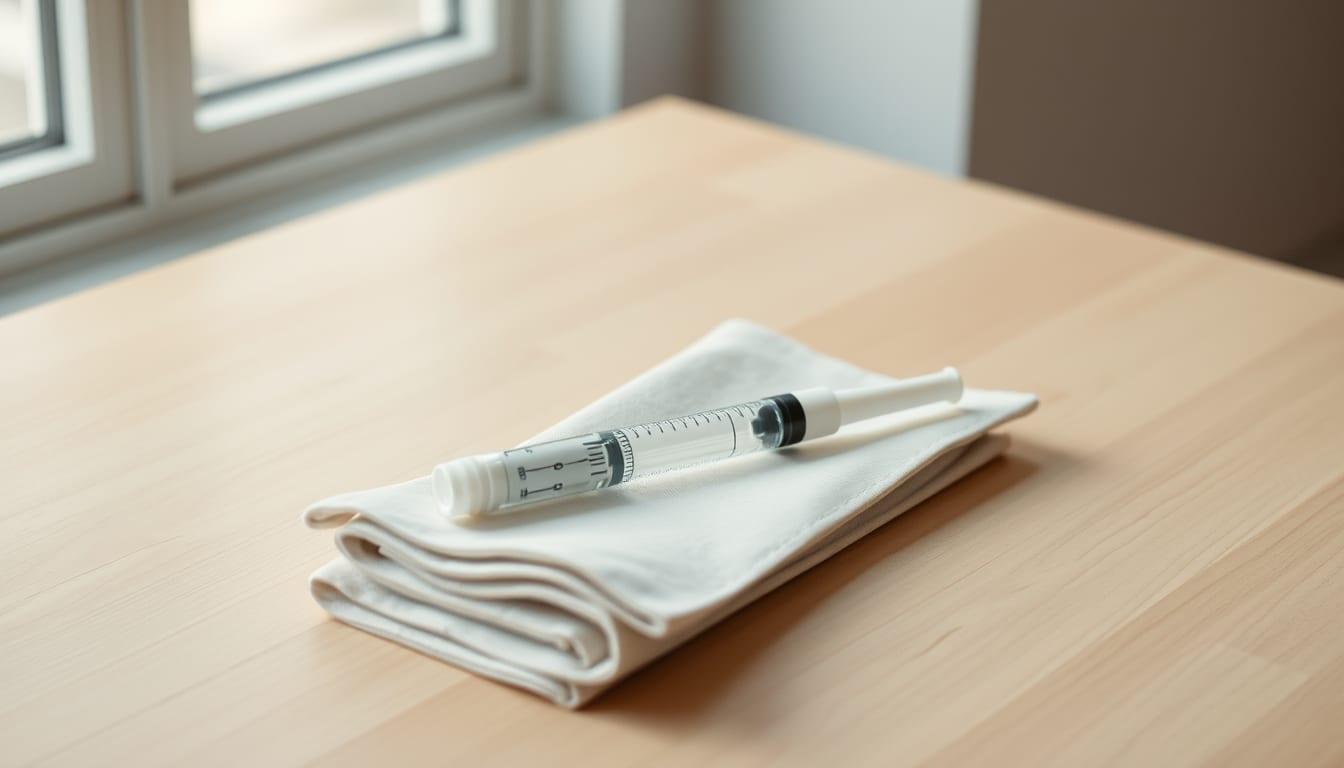
Dulaglutide is a prescription GLP-1 receptor agonist given as a once-weekly injection under the skin. It is FDA-approved to improve blood sugar control in adults and children 10 and older with type 2 diabetes, and to lower the risk of heart attack, stroke and cardiovascular death in adults with type 2 diabetes who have heart disease or several heart risk factors.
Dulaglutide is not approved for weight management. People with diabetes often lose some weight on it, but using it for weight loss alone is off-label, and other medications in its class carry a weight-management approval. This guide explains how dulaglutide works, what the trials showed, its side effects and boxed warning, who should not take it, and what affects its cost. Your prescriber decides whether it fits you and sets every dose.
At a glance
- Drug class
- GLP-1 receptor agonist
- Forms
- Subcutaneous injection (once weekly)
- FDA status
- FDA-approved for type 2 diabetes and to reduce cardiovascular risk in adults with type 2 diabetes. Not approved for weight management.
- Prescription
- Prescription only
- Class: GLP-1 receptor agonist
- Form: once-weekly injection from a single-dose pen
- FDA-approved for type 2 diabetes and cardiovascular risk reduction in adults with diabetes
- Not FDA-approved for weight management; weight use alone is off-label
- Boxed warning: thyroid C-cell tumors in rats; not for people with a personal or family history of medullary thyroid cancer or MEN 2
How does dulaglutide work?
Glucagon-like peptide-1 (GLP-1) is a hormone your gut releases after meals. It prompts the pancreas to release insulin when blood sugar is rising, lowers glucagon (a hormone that raises blood sugar), slows the stomach and signals fullness to the brain. Natural GLP-1 is broken down within minutes. Dulaglutide is a GLP-1 analog fused to a large antibody fragment, which slows its clearance to an elimination half-life of about five days, so one injection covers a week.
Because its insulin effect depends on glucose levels, dulaglutide on its own carries a low risk of low blood sugar. That risk rises when it is combined with insulin or a sulfonylurea. Slower stomach emptying and appetite effects explain why many people with diabetes eat less and lose some weight on it, although weight is not what it is approved to treat.
What is dulaglutide prescribed for?
FDA-approved uses. Dulaglutide is approved:
- As an add-on to diet and exercise to improve blood sugar control in adults and children 10 and older with type 2 diabetes.
- To reduce the risk of major cardiovascular events (cardiovascular death, non-fatal heart attack or non-fatal stroke) in adults with type 2 diabetes who have established cardiovascular disease or multiple cardiovascular risk factors.
Off-label uses. Prescribing dulaglutide only for weight loss, in people with or without diabetes, is off-label. Off-label prescribing is legal and common, but it means the use was not part of the FDA review. For weight management specifically, FDA-approved GLP-1 options include semaglutide, liraglutide and the dual agonist tirzepatide. Our overview of FDA-approved weight-loss medications compares them.
What did the dulaglutide trials show?
Heart outcomes. The REWIND trial followed 9,901 adults with type 2 diabetes for a median of 5.4 years. The combined outcome of cardiovascular death, non-fatal heart attack or non-fatal stroke occurred in 12.0% of people on dulaglutide versus 13.4% on placebo, a 12% relative reduction. REWIND enrolled adults aged 50 and older with either a previous cardiovascular event or cardiovascular risk factors, which is why the approval covers both groups.
Weight, compared with semaglutide. In the 40-week SUSTAIN 7 head-to-head trial in people with type 2 diabetes, weekly semaglutide lowered blood sugar and body weight more than dulaglutide at both comparison doses. Average weight loss was 4.6 kg versus 2.3 kg in the lower-dose pairing and 6.5 kg versus 3.0 kg in the higher-dose pairing. Dulaglutide has since been approved at higher doses than those tested in SUSTAIN 7. Our dulaglutide vs. semaglutide article walks through the details.
How is dulaglutide taken?
Dulaglutide comes in a single-dose prefilled pen with a pre-attached needle. It is injected once a week under the skin of the stomach, thigh or upper arm, on the same day each week, at any time of day and with or without food.
Treatment begins at a starting dose that can be raised in steps, with at least four weeks between increases, depending on blood sugar and tolerance. Your prescriber sets the dose and decides whether and when to raise it. The label has specific rules for missed doses based on how many days remain until the next one, so ask your provider or pharmacist rather than doubling up. Our guide on how to inject GLP-1 medication covers technique.
What are the side effects of dulaglutide?
Digestive effects are the most common. In the label's pooled placebo-controlled trials, nausea occurred in 12.4% and 21.1% of people at the two doses studied versus 5.3% on placebo; diarrhea in 8.9% and 12.6% versus 6.7%; and vomiting in 6.0% and 12.7% versus 2.3%. Stomach pain, decreased appetite, indigestion and fatigue were also reported. Most digestive effects were graded mild or moderate, and they tend to be worst after starting or raising the dose.
Serious risks listed in the prescribing information include:
- Pancreatitis: persistent severe stomach pain, sometimes spreading to the back. Stop and seek care.
- Low blood sugar with insulin or a sulfonylurea, whose doses may need lowering.
- Kidney injury from dehydration after severe vomiting or diarrhea.
- Severe digestive reactions; it is not recommended with severe gastroparesis.
- Worsening diabetic eye disease in people with a history of retinopathy, especially when blood sugar improves quickly.
- Gallbladder problems, such as gallstones, and serious allergic reactions.
- Faster heart rate (an average increase of 2 to 4 beats per minute) and a small change on the ECG called first-degree heart block in a minority of people.
- Breathing in stomach contents under anesthesia: tell any surgeon or anesthesiologist you take it.
Boxed warning: risk of thyroid C-cell tumors. Dulaglutide caused thyroid C-cell tumors in rats. Whether it does so in humans is unknown. Report a neck lump, trouble swallowing, shortness of breath or persistent hoarseness. Our article on GLP-1 side effects covers day-to-day management.
Who should not take dulaglutide?
Dulaglutide is contraindicated, or calls for extra caution, in people who:
- Have a personal or family history of medullary thyroid carcinoma or multiple endocrine neoplasia type 2 (contraindicated).
- Have had a serious allergic reaction to dulaglutide or its ingredients (contraindicated).
- Have had pancreatitis, gallbladder disease or severe gastroparesis.
- Have diabetic retinopathy, which needs monitoring.
- Take insulin or a sulfonylurea, or already take another GLP-1 medication.
- Are pregnant, planning pregnancy or breastfeeding; the label says it should be used in pregnancy only if the benefit justifies the risk.
- Have kidney disease or surgery coming up.
Dulaglutide slows stomach emptying and can reduce how fast other oral medications are absorbed. Bring your full medication and supplement list to your provider.
Is there a generic or compounded dulaglutide?
At the time of writing, DailyMed lists dulaglutide only as the brand-name pen, with no FDA-approved generic. Compounded GLP-1 medications are not FDA-approved, and the FDA does not review them for safety, effectiveness or quality before they reach patients. The FDA has also warned about unapproved and counterfeit GLP-1 products sold online, so get any GLP-1 through a licensed prescriber and pharmacy.
How much does dulaglutide cost?
Without a generic, the cash price of dulaglutide is high, and most people rely on insurance. Many plans cover GLP-1 medications for type 2 diabetes, often with step therapy (trying metformin first) or prior authorization. Coverage for off-label weight use is unlikely. Manufacturer savings programs exist for commercially insured patients, and their terms change. Our guide to GLP-1 insurance coverage explains what to ask your plan.
Talk with a provider
Weight care built on weight-approved molecules
We do not offer a dulaglutide plan. Our weight-management programs use weekly GLP-1 and dual-agonist medications, prescribed only if an independent licensed provider decides one is appropriate for you after reviewing your history, including any diabetes treatment you already take.
A licensed provider decides whether any medication is appropriate for you. Not everyone who has a consultation is prescribed medication.
Frequently asked questions
What is dulaglutide used for?
Dulaglutide is FDA-approved to improve blood sugar control in type 2 diabetes in adults and children 10 and older, and to reduce the risk of heart attack, stroke and cardiovascular death in adults with type 2 diabetes who have heart disease or multiple risk factors.
Is dulaglutide approved for weight loss?
No. Dulaglutide has no weight-management approval, so prescribing it for weight alone is off-label. Semaglutide, liraglutide and tirzepatide have FDA-approved weight-management products.
Will I lose weight on dulaglutide?
Many people with type 2 diabetes lose some weight on it. In the SUSTAIN 7 trial, average weight loss with dulaglutide was 2.3 to 3.0 kg over 40 weeks, about half of what semaglutide produced in the same trial.
How is dulaglutide different from semaglutide?
Both are weekly GLP-1 injections. Semaglutide lowered blood sugar and weight more in a head-to-head trial and is also approved for weight management; dulaglutide is approved for diabetes and heart-risk reduction only.
What are the most common side effects of dulaglutide?
Nausea, diarrhea, vomiting, stomach pain and decreased appetite are the most common. They are usually mild to moderate and tend to ease after the first weeks or after a dose increase.
Does dulaglutide cause low blood sugar?
On its own the risk is low because its insulin effect depends on glucose levels. The risk rises when it is combined with insulin or a sulfonylurea, and those doses may need to be lowered.
Is there a generic dulaglutide?
Not at the time of writing; DailyMed lists only the brand-name pen. Ask your pharmacist about current availability, because generic status can change.
Can I take dulaglutide with metformin?
Yes, they are often used together in type 2 diabetes, and many trials enrolled people already on metformin. Your provider decides on combinations; see our metformin guide.
Sources
- Dulaglutide injection: prescribing information (DailyMed). Link (opens in a new tab)
- MedlinePlus (National Library of Medicine). Dulaglutide injection. Link (opens in a new tab)
- Gerstein HC, Colhoun HM, Dagenais GR, et al. Dulaglutide and cardiovascular outcomes in type 2 diabetes (REWIND): a double-blind, randomised placebo-controlled trial. Lancet. 2019;394:121–130. Link (opens in a new tab)
- Pratley RE, Aroda VR, Lingvay I, et al. Semaglutide versus dulaglutide once weekly in patients with type 2 diabetes (SUSTAIN 7): a randomised, open-label, phase 3b trial. Lancet Diabetes Endocrinol. 2018;6:275–286. Link (opens in a new tab)
- US Food and Drug Administration. FDA's concerns with unapproved GLP-1 drugs used for weight loss. Link (opens in a new tab)
- National Institute of Diabetes and Digestive and Kidney Diseases (NIH). Prescription medications to treat overweight and obesity. Link (opens in a new tab)
For education only. This guide is for general education and is not medical advice. It does not replace the prescribing information for your medication or a conversation with a licensed provider, and it does not cover every use, precaution, interaction or side effect. Only a licensed provider can decide whether a medication is appropriate for you and at what dose. If you think you are having a serious reaction or an emergency, call 911.