Key takeaways
- Injectable GLP-1 medications are stored in the refrigerator at 36–46°F (2–8°C) before use, away from the freezer section and the cooling element.
- FDA labels allow limited time at room temperature, but the limits differ by product and form. Compounded vials follow the beyond-use date and storage directions on the pharmacy label.
- Never use a GLP-1 that has frozen, overheated, changed appearance or passed its date. Replace it instead of guessing.
- On flights, keep medication in your carry-on and declare it, along with any unused syringes, at the TSA checkpoint.
- Crossing time zones rarely matters for a weekly injection, but ask your provider before shifting your dose day.
GLP-1 injections should be kept in the refrigerator at 36–46°F (2–8°C) until you use them, protected from light, and never frozen. The FDA-approved pens and vials can spend a limited time at room temperature, which makes travel manageable, while compounded vials follow the storage instructions and beyond-use date printed by the pharmacy that made them. Getting storage right matters because a medication that has been frozen or overheated may not work as intended, and you usually cannot tell by looking at it.
This guide covers day-to-day storage at home, what the FDA labels actually say about room temperature, how to fly with injectables and needles, how to handle time zones, and what to do with medication that froze, got hot or expired. It applies to injectable semaglutide and tirzepatide; daily tablets have their own, simpler rules.
How should you store GLP-1 medication at home?
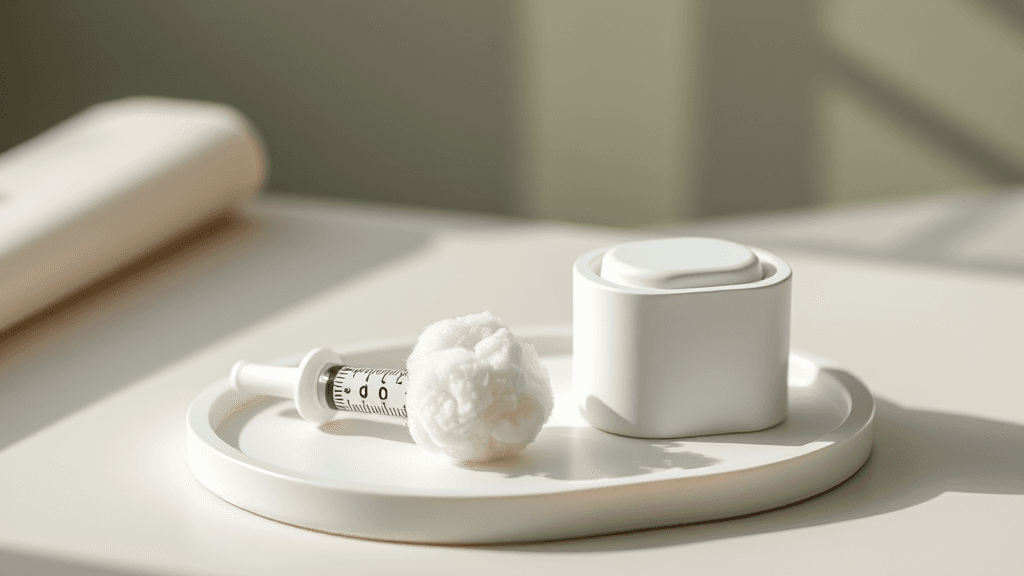
At home, store unused GLP-1 pens and vials in the main body of the refrigerator at 36–46°F (2–8°C), in the original carton to protect them from light. The FDA prescribing information for the approved products also warns against storing them in the freezer or directly next to the refrigerator's cooling element, where temperatures can dip below freezing.
- Use a shelf in the middle of the fridge, not the door (which swings in temperature) or the back wall (which can run coldest).
- An inexpensive fridge thermometer is worth having if your refrigerator tends to freeze produce.
- Keep medication in its carton until you use it, and out of reach of children and pets.
- Do not store pens with a needle attached. Attach a new needle each time if your device uses one.
How long can a GLP-1 stay out of the fridge?
How long a GLP-1 can stay unrefrigerated depends on the specific product and form, which is why the label in your hand is the only reliable answer. The examples below come from current FDA prescribing information for the weight-management products and show how much the rules vary.
Semaglutide single-dose pen (weight management)
- Refrigerated storage
- 36–46°F (2–8°C)
- Room-temperature allowance on the label
- If needed, before the cap is removed, up to 28 days at 46–86°F (8–30°C)
Tirzepatide single-dose pen or vial (weight management)
- Refrigerated storage
- 36–46°F (2–8°C)
- Room-temperature allowance on the label
- If needed, up to a total of 21 days unrefrigerated, not above 86°F (30°C)
Tirzepatide multi-dose pen or vial (weight management)
- Refrigerated storage
- 36–46°F (2–8°C) before first use
- Room-temperature allowance on the label
- Discard after 30 days at room temperature, 30 days after first use, or after four weekly doses
Compounded vials
- Refrigerated storage
- As printed on the pharmacy label
- Room-temperature allowance on the label
- Follow the pharmacy's beyond-use date and directions; there is no FDA label
| Product and form | Refrigerated storage | Room-temperature allowance on the label |
|---|---|---|
| Semaglutide single-dose pen (weight management) | 36–46°F (2–8°C) | If needed, before the cap is removed, up to 28 days at 46–86°F (8–30°C) |
| Tirzepatide single-dose pen or vial (weight management) | 36–46°F (2–8°C) | If needed, up to a total of 21 days unrefrigerated, not above 86°F (30°C) |
| Tirzepatide multi-dose pen or vial (weight management) | 36–46°F (2–8°C) before first use | Discard after 30 days at room temperature, 30 days after first use, or after four weekly doses |
| Compounded vials | As printed on the pharmacy label | Follow the pharmacy's beyond-use date and directions; there is no FDA label |
Two details trip people up. First, room-temperature time usually counts in total, not per trip, so a pen that spent two weeks in a bag earlier still has that time used up. Second, these limits assume temperatures at or below 86°F (30°C). A car in summer, a sunny windowsill or a checked bag on a hot tarmac can exceed that quickly.
How are compounded GLP-1 vials stored differently?
Compounded GLP-1 vials are stored according to the instructions and beyond-use date on the label from the pharmacy that prepared them, because compounded medications are not FDA-approved and do not have an FDA-reviewed storage label. Formulations differ between pharmacies, including the salt form, preservatives and any added ingredients, so storage guidance for one vial should not be assumed for another.
A beyond-use date is the point after which the pharmacy no longer supports using that preparation, based on its sterility and stability standards. It is often much shorter than the expiration date on a factory-made product, and it can change once a multi-dose vial has been punctured. If your label does not clearly say how to store the vial while unopened and once in use, or for how long, call the pharmacy before your first dose. Our explainer on compounded medications covers how 503A and 503B pharmacies differ.
How do you fly with GLP-1 injections and needles?
To fly with GLP-1 injections, pack them in your carry-on and tell the TSA officer at the checkpoint that you have medically necessary liquids. TSA allows medically necessary liquids in reasonable quantities for your trip, including amounts above the usual 3.4-ounce limit, as long as you declare them for inspection. Unused syringes are allowed when they travel with the injectable medication they are for, and they also need to be declared.
- Carry on, do not check. Cargo holds can get very cold or hot, and checked bags get lost. Keep medication with you.
- Keep it in the original pharmacy packaging. TSA recommends, though does not require, labeled medication; it speeds screening and helps abroad.
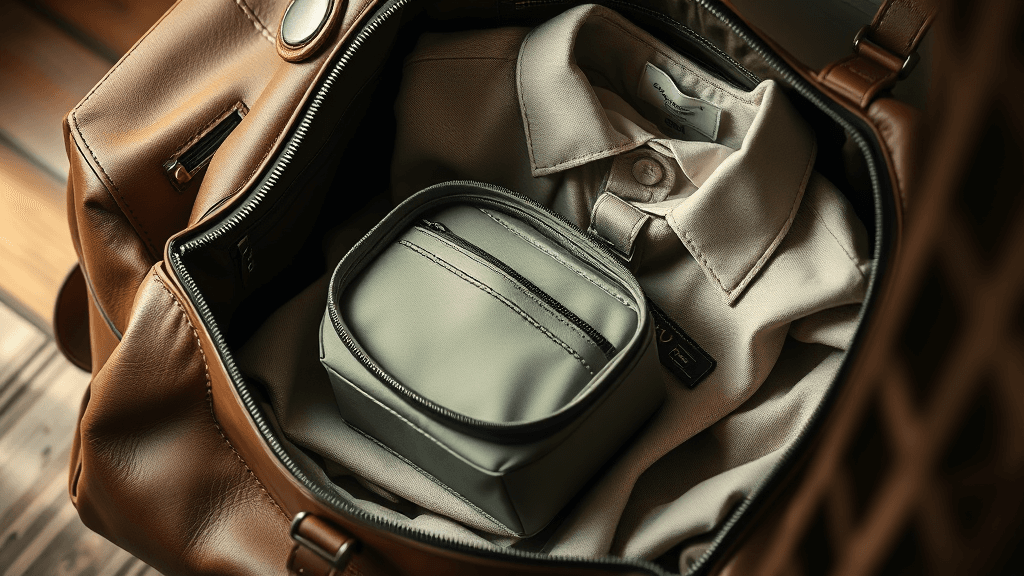
- Use an insulated case. A small medication cooler with a cold pack helps, but wrap it so the medication never touches the pack directly and cannot freeze.
- Bring a travel sharps container or a sturdy capped bottle for used needles, and dispose of them according to local rules where you are staying.
- Pack a copy of your prescription or a note from your provider, especially for international travel, where rules on carrying injectable medications vary by country.
TSA notes that the officer at the checkpoint makes the final decision on whether an item is allowed, so allow extra time and keep medication easy to reach in your bag.
What about time zones and your weekly dose day?
For a weekly GLP-1, a few hours of time-zone difference usually does not matter, because the medication works over the whole week rather than hour to hour. The FDA labels for the approved weekly products allow the time of day to change and allow the dose day to be moved, as long as a minimum number of days separates two doses.
If a trip falls on your injection day, the simplest options are usually to inject before you leave or once you arrive, on the same calendar day. If that does not work, ask your provider how to shift your schedule rather than taking two doses close together. Keep a reminder on your phone set to your home time zone so the day does not drift without you noticing. For compounded medication, follow the timing instructions your prescriber gave you.
What if your GLP-1 froze, got hot or expired?
If a GLP-1 has frozen, do not use it, even after it thaws. The FDA labels for the approved products state this directly. The same applies if it has been exposed to heat beyond its labeled limits, if the liquid looks cloudy, discolored or has particles when it should be clear, or if it is past its expiration or beyond-use date.
Expired or damaged medication may be less effective, and with compounded preparations there may also be sterility concerns once the beyond-use date passes. Call your pharmacy or provider to arrange a replacement and ask how to restart if you have missed doses while waiting, since restarting can bring back stomach side effects. Our guide to GLP-1 side effects explains why.
For unused medication you need to get rid of, the FDA recommends a drug take-back location or program as the first choice. Used pens, needles and syringes belong in a sharps container, never loose in the trash; see our guide on how to inject a GLP-1 for disposal options.
How can you plan ahead so a trip doesn't interrupt treatment?
Planning ahead mostly means checking your supply and timing a week or two before you leave. Count how many doses you will need while away, check expiration and beyond-use dates, and request a refill early if the trip runs close to your next shipment, since home deliveries need someone (or a cool place) to receive them.
If you are on a supervised program such as our compounded GLP-1 program, message your care team before a long trip. They can help line up refill timing, answer storage questions for your specific medication, and tell you what to do if something goes wrong while you are away. A licensed provider decides whether a given medication and form are right for you, including whether a daily oral option might suit frequent travel better.
Common questions
Can I keep my GLP-1 pen in my purse or gym bag?
Only within the room-temperature allowance on your label and only if the bag stays at or below 86°F (30°C). Bags left in cars, near heaters or in direct sun can exceed that quickly. If you need to carry a pen for the day, an insulated pouch is a safer choice than a regular bag.
What if my medication was left out overnight?
For an FDA-approved pen or vial, one night at normal indoor temperature is usually within the labeled allowance, but that time counts toward the total. Put it back in the fridge and note the date. For compounded vials, check the pharmacy label and call the pharmacy if it does not address time out of the fridge.
Do I need a doctor's note to fly with GLP-1 injections?
TSA does not require a note for medically necessary liquids or the unused syringes that go with them, but you must declare them at the checkpoint. A copy of your prescription is still useful, particularly for international travel, where rules vary and customs officers may ask what the medication is.
Can I put my GLP-1 in a hotel mini-fridge?
Usually, but check it first. Some hotel mini-fridges run too cold and freeze items near the back, while others are only drink coolers that never get cold enough. A cheap fridge thermometer settles the question. Keep the medication in its carton, toward the front and away from the cooling plate.
What if my GLP-1 arrived warm in the mail?
Contact the pharmacy that shipped it before using it. Pharmacies pack cold-chain medication to tolerate normal transit, and they can tell you whether a package that sat out or arrived warm is still within limits or should be replaced. Do not inject medication you are unsure about.
Do GLP-1 tablets need refrigeration?
No. The FDA-approved oral semaglutide tablets are stored at room temperature in their original bottle to protect them from moisture. Our guide to oral GLP-1 pills vs. injections compares the two forms in more detail.
Sources
- Semaglutide injection 2.4 mg and semaglutide tablets for weight management: prescribing information (DailyMed). Link (opens in a new tab)
- Tirzepatide injection for weight management and obstructive sleep apnea: prescribing information (DailyMed). Link (opens in a new tab)
- Transportation Security Administration. What can I bring? Medications (liquid). Link (opens in a new tab)
- Transportation Security Administration. What can I bring? Unused syringes. Link (opens in a new tab)
- Transportation Security Administration. What can I bring? Insulin. Link (opens in a new tab)
- US Food and Drug Administration. Best way to get rid of used needles and other sharps. Link (opens in a new tab)
- US Food and Drug Administration. Disposal of unused medicines: what you should know. Link (opens in a new tab)
This article is for general education and is not medical advice. Protocols described here require an online consultation with a licensed provider who will determine if a prescription is appropriate for you. Explore weight & metabolic options or read the FAQ.