Exercise on a GLP-1: A Strength-First Weekly Plan
Key takeaways
- Strength training is the most important type of exercise on a GLP-1 because it helps you keep muscle while you lose weight.
- Federal guidelines recommend muscle-strengthening work for all major muscle groups on at least two days a week, plus 150 to 300 minutes of moderate aerobic activity.
- Start below what you think you can do, progress slowly, and plan workouts for times of day when nausea is lowest.
- Eating enough protein, staying hydrated and not training on an empty stomach matter more on a GLP-1 than before.
- Dizziness, fainting, chest pain or severe fatigue during exercise are reasons to stop and contact your provider.
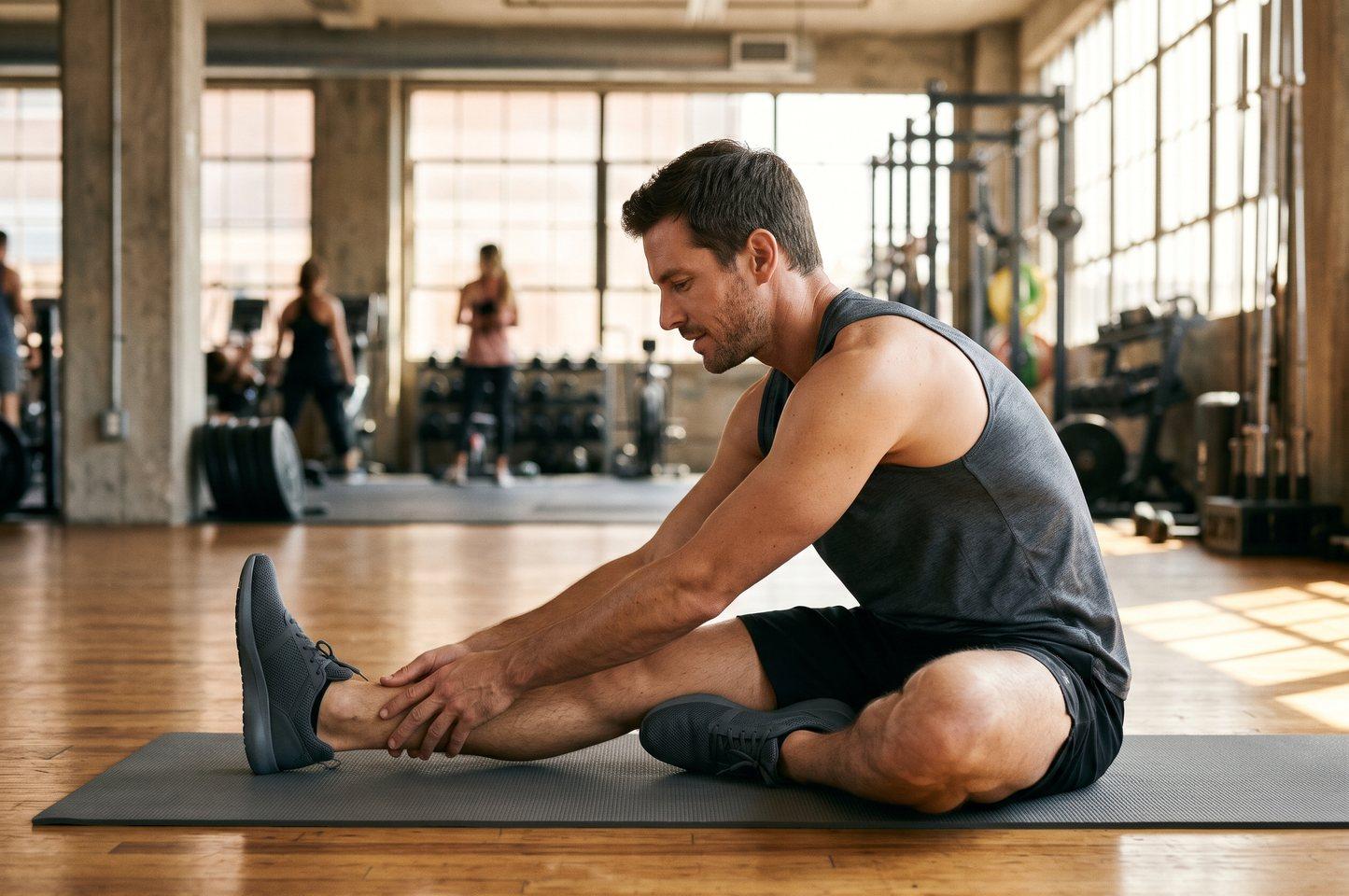
The best exercise plan on a GLP-1 medication puts strength training first, ideally two to three sessions a week covering all major muscle groups, with walking or other moderate cardio filling in the rest of the week. That order matters because GLP-1 medications reduce how much you eat, and when you lose weight quickly, a meaningful share of what you lose can be muscle. Resistance training is the strongest tool you have to push that share down.
This guide is a practical framework, not a medical prescription. It explains how much exercise the guidelines recommend, gives a sample weekly structure, and covers how to train around the realities of GLP-1 treatment: smaller appetite, occasional nausea and lower energy in the early weeks. For the science of lean mass on these medications, see our guide to protecting muscle on a GLP-1.
Why should strength training come first on a GLP-1?
Strength training comes first because it is the main signal that tells your body to keep muscle while you are eating less. A 2024 review of body-composition data from incretin-medication trials found that lean tissue made up a substantial share of total weight lost, and concluded that resistance exercise is a promising way to improve the balance of fat versus muscle lost. A joint advisory from several medical and nutrition societies on GLP-1 therapy likewise recommends pairing treatment with resistance training and adequate protein.
Muscle matters beyond appearance. It supports strength for daily tasks, balance, blood sugar control and the number of calories your body uses at rest. Keeping it makes weight easier to maintain if you later reduce or stop medication, which our guide on what happens when you stop a GLP-1 explores.
How much exercise do the guidelines recommend?
The Physical Activity Guidelines for Americans recommend that adults do at least 150 to 300 minutes of moderate-intensity aerobic activity a week, or 75 to 150 minutes of vigorous activity, plus muscle-strengthening activity that works all major muscle groups on two or more days a week. More activity brings additional benefits, and any amount is better than none.
For someone on a GLP-1, a reasonable way to read that is: two to three full-body strength sessions, and most of the aerobic minutes as walking, cycling or other activity you can sustain. If you are starting from very little, it is fine to begin well below these targets and build toward them over months.
What does a sample strength-first week look like?
A simple structure that fits most schedules is three short strength sessions on non-consecutive days, with walking on most days. Adjust it to your fitness level, joints and time.
Monday
- Main focus
- Full-body strength (30–45 min)
- Notes
- Squat or sit-to-stand, push, pull, hinge, carry
Tuesday
- Main focus
- Brisk walk (20–40 min)
- Notes
- Conversational pace
Wednesday
- Main focus
- Full-body strength (30–45 min)
- Notes
- Same movements, small progression
Thursday
- Main focus
- Walk or easy cycling
- Notes
- Optional mobility work
Friday
- Main focus
- Full-body strength (30–45 min)
- Notes
- Can be shorter on low-energy weeks
Weekend
- Main focus
- Longer walk, hike or active hobby
- Notes
- One full rest day
| Day | Main focus | Notes |
|---|---|---|
| Monday | Full-body strength (30–45 min) | Squat or sit-to-stand, push, pull, hinge, carry |
| Tuesday | Brisk walk (20–40 min) | Conversational pace |
| Wednesday | Full-body strength (30–45 min) | Same movements, small progression |
| Thursday | Walk or easy cycling | Optional mobility work |
| Friday | Full-body strength (30–45 min) | Can be shorter on low-energy weeks |
| Weekend | Longer walk, hike or active hobby | One full rest day |
Each strength session can cover five movement patterns: a squat or leg press, a hip hinge such as a deadlift with light weight or a hip bridge, a push such as a push-up or press, a pull such as a row, and a carry or core exercise. One to three sets of each, stopping a couple of repetitions before you could not do another, is enough for most beginners.
How do you progress without overdoing it?
Progress by small, regular steps rather than big jumps. Resistance-training guidance from the American College of Sports Medicine is built on gradual overload: once a weight feels manageable for your target repetitions, add a little load, a repetition or a set. On a GLP-1, when you are eating less, slower progression is sensible.
- Change one thing at a time: weight, repetitions or sets, not all three.
- Keep a simple log so you can see progress even when the scale is slow.
- Prioritize form over load; consider a few sessions with a qualified trainer.
- Take a lighter week after a dose increase or a stretch of poor sleep.
- Treat soreness as information. Mild soreness is normal; sharp or joint pain is a reason to stop and reassess.
How do you train around nausea and low appetite?
Plan workouts for the time of day when you feel best, and avoid heavy meals right before training. Many people on GLP-1 medications find nausea is worse in the day or two after an injection or a dose increase, so lighter sessions or walks on those days often work better than hard workouts.
Training on a completely empty stomach can leave you dizzy or weak, especially if your intake is low overall. A small, easy-to-digest snack with some protein one to two hours before exercise, such as yogurt, a banana with a little nut butter, or a protein shake, helps many people. After training, aim for a protein-forward meal. Our protein calculator has a GLP-1 mode that sets a daily target range.
Why does hydration matter more on a GLP-1?
Hydration matters more because GLP-1 medications can reduce thirst along with appetite, and because vomiting or diarrhea can cause fluid loss. The FDA labels for these medications warn that dehydration from digestive side effects has been linked to kidney problems in some patients. Exercise adds sweat losses on top.
Drink regularly through the day rather than all at once, add fluids around workouts, and take extra care in hot weather. If you have had vomiting or diarrhea, skip hard training until you are eating and drinking normally again. Our water intake calculator adjusts a daily target for exercise and heat.
When should you stop and call your provider?
Stop exercising and contact your provider if you have chest pain or pressure, fainting, severe dizziness, a racing or irregular heartbeat, unusual shortness of breath, or severe fatigue that does not improve with rest. If you take insulin or a sulfonylurea for diabetes, watch for signs of low blood sugar, such as shakiness, sweating or confusion, because GLP-1 medications can add to that risk. Severe abdominal pain needs urgent care.
If you have heart disease, joint problems or another chronic condition, ask your clinician before starting a new routine. On our Metabolic Programs, a licensed provider reviews your history before deciding whether a GLP-1 is appropriate and can talk through activity as part of your plan. Compounded GLP-1 medications are not FDA-approved; FDA-approved versions exist.
Common questions
Is walking enough exercise on a GLP-1?
Walking is excellent for heart health, mood, blood sugar and digestion, and it is a great foundation. On its own, though, it does little to protect muscle while you lose weight. Adding two or three short strength sessions a week covers the gap.
Can I start lifting weights if I have never done it?
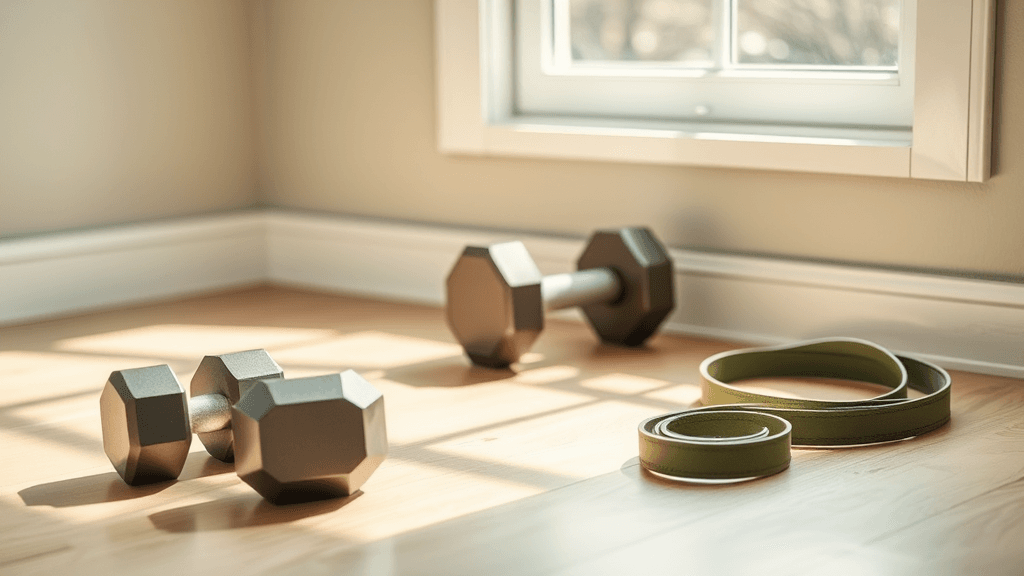
Yes. Start with bodyweight movements or light dumbbells, learn the basic patterns, and progress slowly. Machines can be easier to learn than free weights. A few sessions with a qualified trainer can help with form, and anyone with heart, joint or other health concerns should check with a clinician first.
Should I do cardio or weights first in a session?
If you are combining them, doing strength work first usually lets you lift with better energy and form, with walking or cycling afterward. On a GLP-1, when energy can be limited, many people find separate short sessions on different days easier to sustain.
Will exercise make GLP-1 side effects worse?
Moderate exercise does not usually worsen side effects, and walking may help with bloating and constipation. Intense exercise soon after a large meal or right after an injection day can make nausea worse for some people. Match intensity to how you feel that day.
How do I know if I am losing muscle?
Strength trends in your training log are a useful everyday signal: if lifts are steady or improving, that is reassuring. Body-composition scans can estimate lean mass more directly. Your provider can help interpret any changes alongside weight and waist measurements.
How many rest days do I need?
Most people do well with at least one full rest day a week and a day between strength sessions for the same muscles. On a GLP-1, when you are eating less, more recovery may be needed, particularly after dose increases. Sleep is part of recovery too.
Sources
- US Department of Health and Human Services. Physical Activity Guidelines for Americans, 2nd edition (Office of Disease Prevention and Health Promotion). Link (opens in a new tab)
- Piercy KL, Troiano RP, Ballard RM, et al. The Physical Activity Guidelines for Americans. JAMA. 2018;320:2020–2028. Link (opens in a new tab)
- Locatelli JC, Costa JG, Haynes A, et al. Incretin-based weight loss pharmacotherapy: can resistance exercise optimize changes in body composition? Diabetes Care. 2024;47:1718–1730. Link (opens in a new tab)
- Mozaffarian D, Agarwal M, Aggarwal M, et al. Nutritional priorities to support GLP-1 therapy for obesity: a joint advisory. Am J Clin Nutr. 2025;122:344–367. Link (opens in a new tab)
- American College of Sports Medicine. Position stand: progression models in resistance training for healthy adults. Med Sci Sports Exerc. 2009;41:687–708. Link (opens in a new tab)
- Semaglutide injection for chronic weight management: prescribing information (DailyMed, National Library of Medicine). Link (opens in a new tab)
- Tirzepatide injection for weight management and obstructive sleep apnea: prescribing information (DailyMed, National Library of Medicine). Link (opens in a new tab)
This article is for general education and is not medical advice. Protocols described here require an online consultation with a licensed provider who will determine if a prescription is appropriate for you. Explore weight & metabolic options or read the FAQ.