What to Eat on a GLP-1: A Practical Plate Guide
Key takeaways
- On a GLP-1, eat smaller, protein-first meals built around minimally processed foods, because you are eating less and each meal has to do more nutritional work.
- Fried, greasy and very large meals, carbonated drinks and alcohol are the most common triggers of nausea, reflux and bloating.
- Fiber and fluids help with constipation, but add fiber gradually and drink steadily through the day.
- There is no required GLP-1 diet; four nutrition and obesity societies jointly recommend focusing on protein, nutrient density, hydration and regular monitoring.
- If you can barely eat, tell your provider; very low intake can cause fatigue, dehydration and loss of muscle.
The best thing to eat on a GLP-1 medication is a smaller, protein-first meal of minimally processed food, eaten slowly, with vegetables or other fiber and plenty of fluids across the day. Medications such as semaglutide and tirzepatide reduce appetite and slow how quickly your stomach empties, so you will likely eat noticeably less. That makes the quality of what you do eat more important, not less.
There is no official GLP-1 diet, and no food is strictly off-limits. In 2025, four organizations, including the American Society for Nutrition and The Obesity Society, published a joint advisory on nutrition during GLP-1 therapy. Its themes run through this guide: get enough protein, choose nutrient-dense foods, stay hydrated, watch for gaps, and pair eating changes with strength training.
Why does what you eat matter more on a GLP-1?
It matters more because you are eating less food, so there is less room for nutrients and more room for gaps. When appetite drops sharply, it is easy to drift toward whatever is convenient or appealing in small amounts, which often means refined snacks rather than meals. Over weeks and months, that pattern can leave you short on protein, fiber, vitamins and minerals.
Food choices also shape how you feel day to day. Because a GLP-1 slows gastric emptying, a heavy, high-fat meal sits in your stomach longer than it used to, and that is when nausea, reflux and burping tend to flare. A plate that suits the medication is usually smaller, leaner and slower to eat.
Finally, what you eat affects what you lose. Weight loss includes some lean mass as well as fat, and adequate protein plus resistance exercise is the main strategy for protecting muscle. Our guide to protecting muscle on a GLP-1 goes deeper on that.
How should you build a plate on a GLP-1?
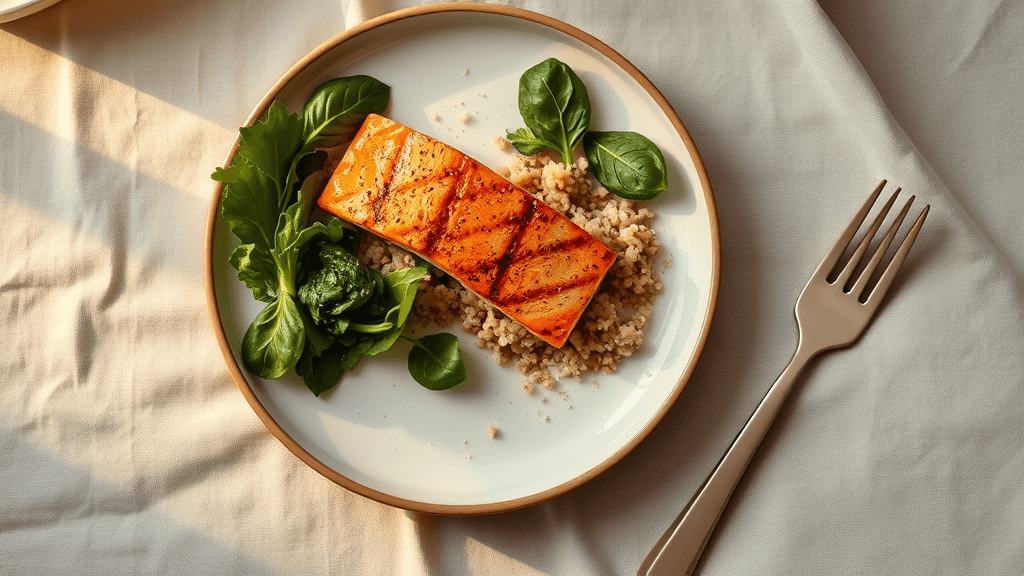
Start with protein, add vegetables or other fiber, then fill out the plate with modest portions of whole-food carbohydrates and healthy fats. Eating the protein first helps make sure it gets eaten before you feel full, which can come on quickly.
Protein (eat first)
- Examples
- Fish, chicken, eggs, Greek yogurt, tofu, cottage cheese, lentils
- Why it matters
- Supports muscle and keeps you satisfied
Vegetables and fiber
- Examples
- Cooked greens, carrots, zucchini, berries, beans in small portions
- Why it matters
- Helps regularity and adds vitamins
Whole-food carbohydrates
- Examples
- Oats, quinoa, potatoes, brown rice, whole-grain bread
- Why it matters
- Steady energy, especially if you exercise
Healthy fats (small amounts)
- Examples
- Olive oil, avocado, nuts, seeds
- Why it matters
- Needed for absorbing some vitamins; large amounts slow digestion
| Part of the plate | Examples | Why it matters |
|---|---|---|
| Protein (eat first) | Fish, chicken, eggs, Greek yogurt, tofu, cottage cheese, lentils | Supports muscle and keeps you satisfied |
| Vegetables and fiber | Cooked greens, carrots, zucchini, berries, beans in small portions | Helps regularity and adds vitamins |
| Whole-food carbohydrates | Oats, quinoa, potatoes, brown rice, whole-grain bread | Steady energy, especially if you exercise |
| Healthy fats (small amounts) | Olive oil, avocado, nuts, seeds | Needed for absorbing some vitamins; large amounts slow digestion |
To estimate how much protein to aim for, try our protein calculator, which includes a setting for weight loss on GLP-1 medication. Many people find it easier to reach their target by including some protein at every meal and snack rather than relying on one large serving at dinner.
Which foods tend to make side effects worse?
Large meals and high-fat, fried or greasy foods are the most common triggers of nausea, fullness and reflux on a GLP-1. Expert recommendations for managing digestive side effects of these medications advise smaller meals, eating slowly, stopping at the first sign of fullness and limiting fatty foods. Common culprits include:
- Fried and greasy foods such as fries, fried chicken, pizza and creamy sauces, which slow emptying further.
- Very sweet foods and drinks, which some people find nauseating and which add calories without much nutrition.
- Carbonated drinks, which add gas and can worsen bloating and burping.
- Alcohol, which can irritate the stomach and add to dehydration; see our guide to alcohol on a GLP-1.
- Spicy or acidic foods if you are prone to reflux.
- Large portions of sulfur-rich foods such as eggs and cruciferous vegetables, if you get rotten-egg burps. Our article on sulfur burps explains why.
You do not have to cut these out forever. Many people find their tolerance improves after the early weeks of treatment. The aim is to notice which foods bother you and adjust portions or timing.
What does an example day of eating look like?
An example day on a GLP-1 is built from four or five small, protein-anchored meals and snacks. The day below is an illustration of structure, not a meal plan or calorie prescription; your needs depend on your size, activity, health conditions and your provider's advice.
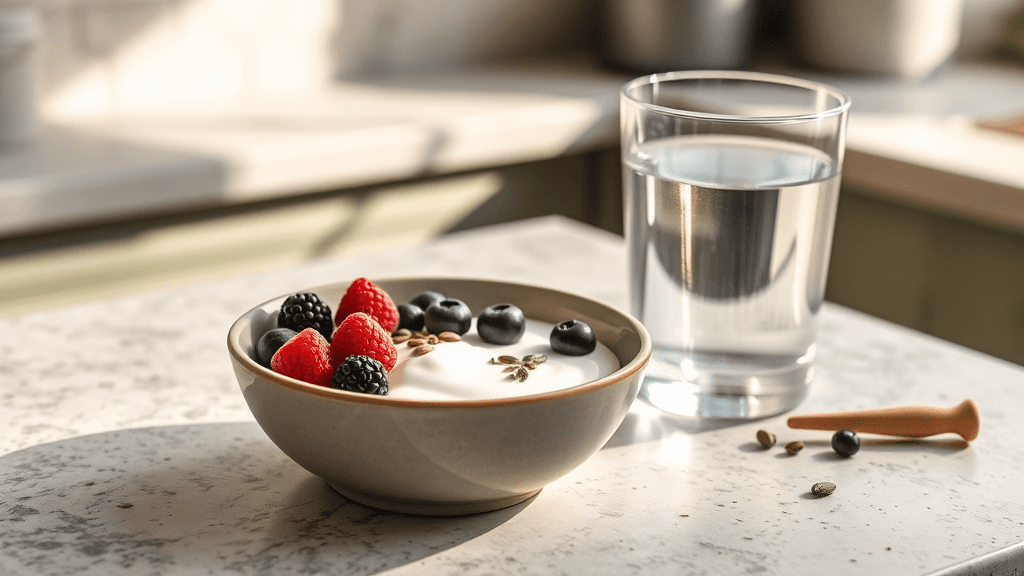
- Breakfast: Greek yogurt with berries and a spoonful of oats or chopped nuts.
- Mid-morning: A hard-boiled egg or a small protein shake if breakfast was light.
- Lunch: A palm-sized portion of grilled chicken or tofu over cooked vegetables with a small scoop of quinoa.
- Afternoon: Cottage cheese with sliced fruit, or hummus with soft cooked carrots.
- Dinner: Baked fish, roasted potatoes in a small portion, and steamed green beans with olive oil.
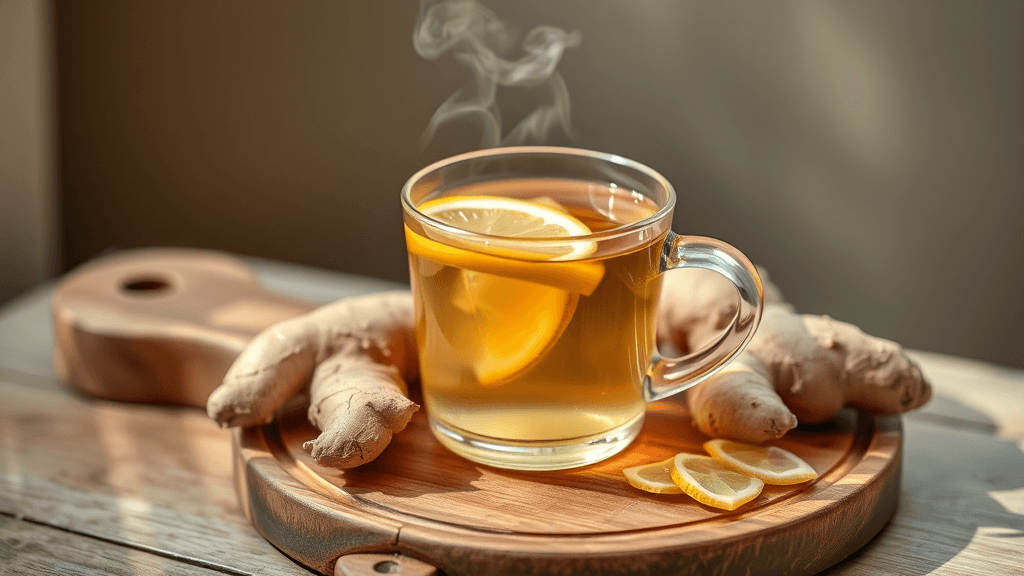
- Through the day: Water, unsweetened tea or other non-carbonated drinks, sipped steadily rather than gulped with meals.
Notice what is missing as much as what is there: no huge single meal, nothing fried, and protein at nearly every eating occasion. If you prefer three meals, that works too, as long as portions stay comfortable and protein is spread across them.
How much should you drink on a GLP-1?
Drink enough fluid that you are rarely thirsty and your urine stays pale yellow, and drink more if you are vomiting, have diarrhea, are exercising or it is hot. GLP-1 medications can blunt thirst along with hunger, so it is easy to fall behind without noticing.
Hydration is not just about comfort. The semaglutide label warns that acute kidney injury has been reported, mostly in people who became dehydrated from nausea, vomiting or diarrhea. Our water intake calculator gives a starting estimate based on national guidance, adjusted for exercise and heat. Practical habits that help:
- Keep a bottle in sight and sip between meals.
- Drink less right at mealtimes if fullness is a problem, and more in between.
- Count water-rich foods such as soups, yogurt and fruit toward your total.
- Contact your provider if you cannot keep fluids down, or notice very dark urine, dizziness or confusion.
What if you can barely eat anything?
If your appetite is so low that you are skipping meals or eating very little most days, tell your provider; that is a signal to review the plan, not a goal to push through. Very low intake can lead to fatigue, dizziness, constipation, dehydration and greater loss of muscle.
In the meantime, focus on small, easy, protein-rich foods such as yogurt, eggs, soups, smoothies made with milk or protein powder, and soft fish. Eating on a schedule, rather than waiting until you feel hungry, can help. The joint nutrition advisory also recommends watching for nutrient shortfalls during treatment; your provider may suggest lab testing to check markers such as iron, vitamin B12 and vitamin D, or a supplement where appropriate.
If you are thinking about starting treatment and want food and side-effect questions handled as part of the care, our Metabolic Program begins with a provider evaluation; a licensed provider decides whether a GLP-1 is appropriate for you.
Common questions
Do I need to count calories on a GLP-1?
Not necessarily. Many people find the reduced appetite does much of that work. The bigger risk is often eating too little protein or too few nutrients. Tracking for a week or two can show whether you are getting enough protein and fluids. If you want a rough energy target, our TDEE calculator can help, but discuss any targets with your provider.
Is a low-carb or keto diet better on a GLP-1?
There is no evidence that one diet pattern is required for GLP-1 treatment to work. Very high-fat eating can worsen nausea and reflux for some people because fat slows digestion further. A balanced, protein-forward pattern with whole-food carbohydrates is easier for most to sustain. If you have diabetes, discuss carbohydrate changes with your provider because they can affect blood sugar.
Are protein shakes a good idea?
They can be a practical tool, especially when appetite is very low or mornings are rushed. Choose options without large amounts of added sugar and sip them slowly. Shakes work best as a supplement to food rather than a replacement for most meals, because whole foods also provide fiber and a wider range of nutrients.
Should I take a multivitamin on a GLP-1?
Some people may benefit, particularly if intake is very low or the diet is limited, but it is not automatically needed. The 2025 joint nutrition advisory recommends assessing nutrient status and addressing gaps during treatment. Ask your provider whether a supplement or targeted lab tests make sense for you, especially if you take other medications.
Why do I feel sick after eating foods I used to enjoy?
Because your stomach is emptying more slowly, rich or large meals that used to be fine can now sit heavily and trigger nausea or reflux. Try a smaller portion, eat more slowly, or choose a lighter version. Many people find tolerance improves after the first weeks, though some aversions persist.
Can I still eat out on a GLP-1?
Yes. Order a protein-centered dish, ask for sauces on the side, choose grilled over fried, and plan to take half home. Starting with a broth-based soup or salad can help you pace the meal. Skip the carbonated drink and go easy on alcohol, which can add to nausea.
Sources
- Mozaffarian D, Agarwal M, Aggarwal M, et al. Nutritional priorities to support GLP-1 therapy for obesity: a joint advisory from the American College of Lifestyle Medicine, the American Society for Nutrition, the Obesity Medicine Association, and The Obesity Society. Am J Clin Nutr. 2025;122(1):344–367. Link (opens in a new tab)
- Wharton S, Davies M, Dicker D, et al. Managing the gastrointestinal side effects of GLP-1 receptor agonists in obesity: recommendations for clinical practice. Postgrad Med. 2022;134(1):14–19. Link (opens in a new tab)
- Semaglutide injection and tablets for weight management: prescribing information (DailyMed, National Library of Medicine). Link (opens in a new tab)
- Tirzepatide injection for weight management and obstructive sleep apnea: prescribing information (DailyMed, National Library of Medicine). Link (opens in a new tab)
- US Department of Agriculture and US Department of Health and Human Services. Dietary Guidelines for Americans. Link (opens in a new tab)
- National Institute of Diabetes and Digestive and Kidney Diseases (NIH). Eating, diet and nutrition for constipation. Link (opens in a new tab)
This article is for general education and is not medical advice. Protocols described here require an online consultation with a licensed provider who will determine if a prescription is appropriate for you. Explore weight & metabolic options or read the FAQ.