Key takeaways
- Holiday meals are fine on a GLP-1. The main adjustment is eating smaller amounts more slowly, because these medications slow stomach emptying.
- Large, rich or greasy meals are the most common trigger for nausea, reflux, vomiting and sulfur burps on a GLP-1.
- Start with protein and vegetables, take small portions of the dishes you love most, and stop at the first sign of fullness.
- Do not skip meals all day to save up for a feast, and do not change your medication timing for a holiday without asking your prescriber.
- Adults gain only about a pound over the holidays on average, but it tends to stick. One meal does not undo progress; patterns over weeks matter.
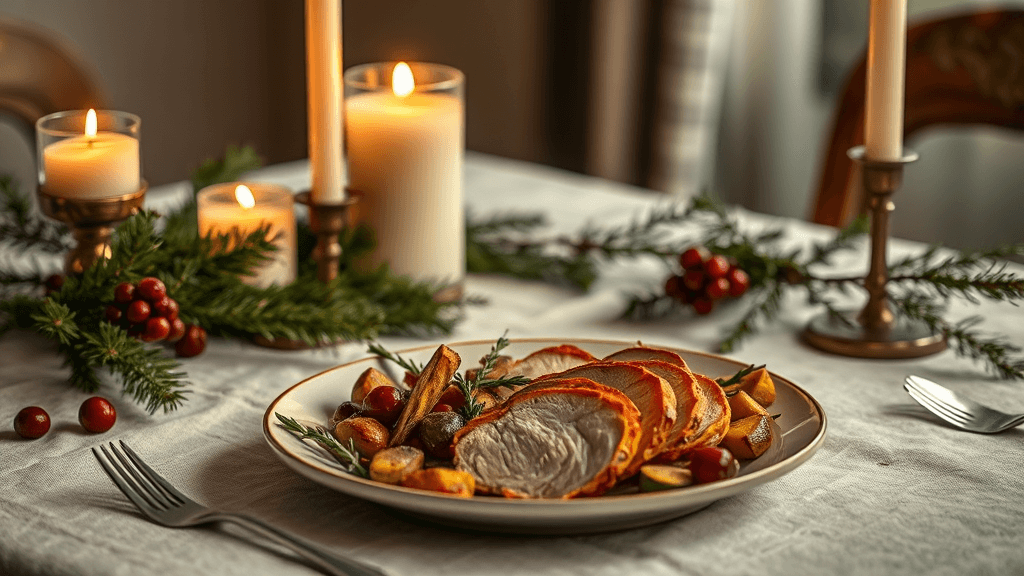
You can enjoy Thanksgiving and other holiday meals on a GLP-1. The difference is that your stomach empties more slowly and fills up sooner, so the classic approach of a huge plate, seconds and dessert is far more likely to end in nausea, reflux or vomiting. Smaller portions, protein first, slower eating and a light hand with rich food and alcohol usually make the day comfortable.
This guide covers why big meals feel different on these medications, how to build a holiday plate, what to do about drinks, travel and well-meaning relatives, and how to handle the morning after if you overdo it. For everyday eating, our plate guide for GLP-1 users is the place to start.
Why a holiday feast feels different on a GLP-1
GLP-1 medications slow the rate at which food leaves the stomach and strengthen the signals that tell your brain you are full. That is a big part of how they reduce appetite, and it is also why the FDA labels list nausea, vomiting, reflux and abdominal discomfort among the most common side effects. A meal that would once have left you pleasantly stuffed can now sit in the stomach for hours.
Fat slows stomach emptying further, so the richest holiday foods, such as gravy, buttery sides, fried appetizers, cheese boards and cream-based desserts, are the most likely to cause trouble. Large volumes eaten quickly add to the problem because fullness signals take time to register. Many people also find that sugary foods and drinks hit harder than before.
How much weight do holidays really add?
Less than people fear, but it lasts. In a well-known study published in the New England Journal of Medicine, adults gained an average of about 0.37 kg, under a pound, between Thanksgiving and New Year, and that gain was not lost during the following spring and summer. A 2017 review of the research found consistent holiday gains of roughly 0.4 to 0.9 kg in adults, including in people actively trying to lose weight, and noted that programs encouraging self-monitoring during the season appeared to help.
The practical takeaway is balance. A single big meal will not undo months of progress, and the scale often jumps for a day or two after salty, carbohydrate-heavy food simply because of water. What matters is getting back to your usual pattern the next day rather than letting one celebration turn into six weeks of grazing.
Building a holiday plate
A simple order and a smaller plate do most of the work:
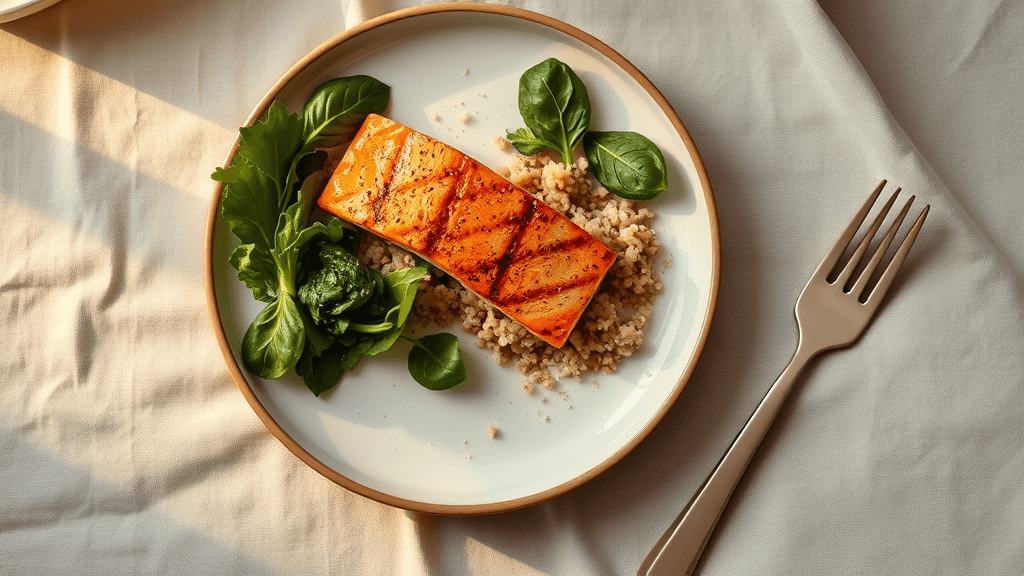
- Protein first. Turkey, ham, fish, beans or another protein supports fullness and helps protect muscle while you are losing weight.
- Then vegetables. Roasted or green vegetables add volume and fiber. Go easy on versions drowned in butter or cream.
- Pick your favorites. Take a spoonful or two of the dishes you look forward to all year rather than a full serving of everything.
- Use a smaller plate and pause. Put your fork down between bites, talk, and check in with your fullness halfway through.
- Stop at the first sign of fullness. On a GLP-1, the gap between comfortable and uncomfortable is short. Leftovers will still be there tomorrow.
- Dessert as a taste. A few bites of pie, shared, often satisfies the craving without the aftermath.
One common mistake is fasting all day to save room. Arriving very hungry makes fast, oversized eating more likely, and an empty stomach followed by a large rich meal is a recipe for nausea. A small protein-based breakfast or lunch keeps the day steadier.
Drinks: alcohol, sugar and water
Alcohol adds calories, lowers inhibition around food and can worsen nausea, reflux and low blood sugar in people who take diabetes medications. Some people on GLP-1s also find that alcohol affects them more quickly or that they simply want less of it. If you drink, keep it to a small amount, alternate with water and avoid drinking on an empty stomach. Our guide to alcohol on a GLP-1 covers the details.
Sweet drinks such as eggnog, cider and punch pack a lot of sugar and fat into a small volume. Staying hydrated matters more than usual on a GLP-1, especially if you are traveling or have had digestive side effects; our water intake calculator gives a personal estimate.
Travel, schedules and social pressure
Holiday travel raises practical questions about keeping medication cold, flying with pens or vials, and crossing time zones. Our guide to storing and traveling with GLP-1s walks through each. Do not move, skip or double up on a dose to fit around a celebration without asking your prescriber first; they can tell you what is safe for your specific medication.
Comments from family can be harder than the food. You do not owe anyone an explanation of your health care. Simple, friendly lines help: "It was delicious, I'm just full," "I'll take some home for later," or "I'm pacing myself today." Offering to bring a dish you know works for you guarantees at least one comfortable option on the table.
If you overdo it
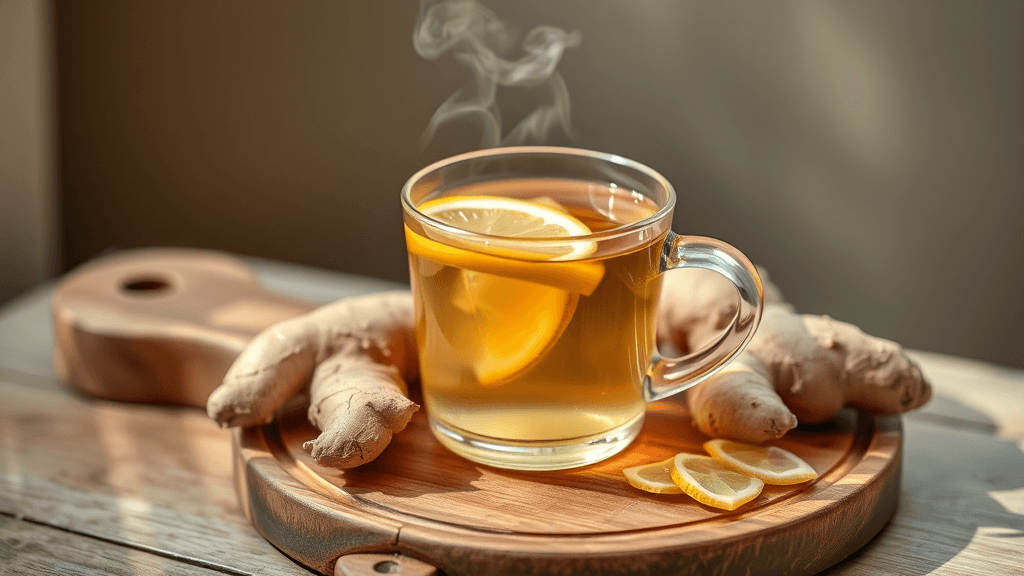
If you feel overly full or nauseated after a big meal, stop eating, sip water or ginger tea slowly, sit upright or take a gentle walk rather than lying down, and keep the next meals small, plain and low in fat. Most discomfort settles within hours. The next day, return to your usual meals and activity rather than compensating by skipping food, which tends to set up another cycle of arriving too hungry. A walk after meals over the holiday weekend helps digestion and blood sugar alike.
Seek medical care for severe or persistent abdominal pain, especially pain that spreads to the back, repeated vomiting, inability to keep fluids down, or signs of dehydration such as dizziness and very dark urine. These can signal problems such as pancreatitis or gallbladder disease that need prompt attention. If digestive symptoms keep recurring, tell your care team; our medical weight program includes follow-ups so a licensed provider can adjust your plan.
Common questions
Can I eat a normal Thanksgiving dinner on a GLP-1?
Yes, in smaller amounts. Start with protein and vegetables, take small portions of favorites, eat slowly and stop at the first sign of fullness.
Should I skip my GLP-1 dose before a holiday meal?
Not without asking your prescriber. Changing the timing of a dose on your own can cause problems, and your provider can advise what is safe for your medication.
Why do I feel sick after big meals on a GLP-1?
GLP-1s slow stomach emptying, so large or rich meals stay in the stomach longer. Fatty foods and eating quickly make nausea, reflux and burping more likely.
Can I drink alcohol at holiday parties on a GLP-1?
Labels do not ban it, but alcohol can worsen nausea and lower blood sugar in people on diabetes medications. Keep it small, alternate with water and do not drink on an empty stomach.
Which holiday foods are easiest on a GLP-1?
Lean proteins such as turkey breast or shrimp, roasted vegetables, salads, fruit and broth-based soups tend to sit well. Fried foods, heavy gravies, creamy casseroles and rich desserts are the most common triggers, so keep those to small tastes.
Will one holiday meal ruin my progress?
No. The scale may jump briefly from salt and water. What matters is returning to your usual pattern the next day rather than grazing for weeks.
What should I do if I overeat on a GLP-1?
Stop eating, sip fluids slowly, stay upright and keep the next meals small and plain. Seek care for severe abdominal pain, repeated vomiting or signs of dehydration.
Sources
- Yanovski JA, et al. A prospective study of holiday weight gain. N Engl J Med. 2000. Link (opens in a new tab)
- Díaz-Zavala RG, et al. Effect of the holiday season on weight gain: a narrative review. J Obes. 2017. Link (opens in a new tab)
- Semaglutide injection for chronic weight management, prescribing information (2024). US FDA. Link (opens in a new tab)
- Tirzepatide injection for chronic weight management, prescribing information (2023). US FDA. Link (opens in a new tab)
- US Department of Agriculture and US Department of Health and Human Services. Dietary Guidelines for Americans. Link (opens in a new tab)
This article is for general education and is not medical advice. Protocols described here require an online consultation with a licensed provider who will determine if a prescription is appropriate for you. Explore weight & metabolic options or read the FAQ.