GLP-1 Microdosing: What the Evidence Actually Says
Key takeaways
- Microdosing means taking a GLP-1 medication at a fraction of the labeled dose, usually the starting dose or below, for longer than the label intends.
- A 2026 real-world survey of more than 8,000 injectable users found about 15% had microdosed; a smaller 2025 survey put it far higher. The practice is common; the evidence is thin.
- Lower doses reliably produce less weight loss. For tolerability and for maintenance after a goal is reached, there is a plausible case, mostly from clinical experience rather than trials.
- The longevity and inflammation claims circulating on social media are not supported by evidence in people.
- Any dose below the label is off-label. It should be a provider's decision, documented, with the same monitoring as standard dosing.
Search interest in GLP-1 microdosing has climbed through 2026, and the phrase now covers three different things: patients stretching a pen to save money, patients staying at a low dose because the full dose made them sick, and a wellness movement that frames tiny doses as a longevity tool. Those are not the same question, and they do not have the same answer.
This guide separates them. It covers what microdosing actually means in practice, what the 2026 data says about how many people do it and why, what the clinical evidence supports for weight, side effects and maintenance, where the longevity claims come from, and how a licensed provider on a physician-led weight program approaches a request to go low.
What does GLP-1 microdosing mean?
GLP-1 receptor agonists are labeled with an escalation schedule: a low starting dose for the first weeks, then step-ups toward a maintenance dose. The starting dose exists to let the digestive system adapt; it is not intended as the destination. Microdosing, as the term is used in 2026, means staying at that starting dose indefinitely, or going below it, instead of escalating.
In practice people arrive at a microdose by three routes. Some are told to hold low by a provider because side effects at higher doses were not tolerable. Some choose it themselves to make a pen or vial last longer. And a growing group starts low on purpose, not for weight at all, after reading that small doses carry metabolic or longevity benefits. Understanding which group you are in matters more than the word itself.
How common is it, and why do people do it?
An abstract presented at ISPOR 2026 analyzed 8,486 current injectable GLP-1 users and found that 15% reported microdosing: 9.3% currently and 5.7% in the past. A 2025 Tebra survey reported a much higher share, around a third, but it sampled a different population and asked the question differently. The honest summary is that the practice is common, and that the two surveys are not directly comparable.
The reasons people give are consistent across sources: cost, fewer digestive side effects, and making a limited supply last. Cost is the loudest driver, which is why the price question comes up in almost every conversation about it; our guide to what GLP-1 medications cost without insurance lays out the actual ranges.
- Cost. A pen or vial stretched over more weeks lowers the monthly outlay. This is the most common reason reported.
- Tolerability. Nausea and digestive symptoms scale with dose for many patients. A lower dose can be the difference between staying on treatment and quitting.
- Maintenance. Some patients who have reached their goal want the smallest dose that keeps their appetite signaling steady, rather than the full therapeutic dose.
- Wellness framing. A newer group takes small doses for claimed effects on inflammation, cravings or aging, usually without a weight goal.
What the evidence supports for weight
On weight itself, the picture is clear and not flattering to microdosing. Across the dose-ranging trials that established these medications, lower doses consistently produced less weight loss than higher ones. That dose-response relationship is one of the most reproducible findings in the field. A patient who stays at a starting dose should expect a smaller effect than a patient who escalates, and should not expect the full-dose results reported in trials.
There is no large randomized trial of deliberate microdosing versus standard dosing for weight. What exists is observational data, case series and clinician experience. Several endocrinology commentaries in 2026 describe the support as largely anecdotal, and one professional society note put it plainly: the trend continues despite the evidence being anecdotal. That does not make microdosing useless. It means the honest claim is modest: some patients lose some weight at low doses, and nobody can yet say how much or for whom.
Where a lower dose has a real case: side effects and maintenance
Two situations have a defensible clinical rationale, and both are decisions a provider makes rather than a shortcut a patient takes.
The first is tolerability. The mechanism that slows gastric emptying is the same mechanism behind nausea, reflux and fullness, and for some people the labeled maintenance dose is simply too much. A provider who holds a patient at a lower step, or steps back after an escalation, is practicing individualized titration, not microdosing in the social-media sense. Our guide to GLP-1 side effects and what to expect explains why the first weeks are the roughest and what a provider does about it.
The second is maintenance. Weight regain after stopping these medications is well documented; a 2026 meta-analysis found people regained roughly 60% of lost weight within a year of discontinuation. That has prompted real interest in whether a reduced dose can hold a result with fewer side effects and lower cost. Some clinicians report that it can, for some patients. The trials that would confirm it have not been done. We cover the discontinuation data in detail in what happens when you stop a GLP-1.
The longevity claims
The newest driver of search interest is the idea that small GLP-1 doses slow aging or lower inflammation in otherwise healthy people. More than a dozen telehealth companies and practices have marketed low doses for longevity in 2026. The claim borrows from real science: GLP-1 medications have shown effects on inflammatory markers and cardiovascular outcomes in people with obesity or diabetes, and animal studies raise interesting questions.
But that is not the claim being sold. There is no evidence in people that microdosing a GLP-1 extends lifespan or healthspan in someone without a metabolic indication, and researchers quoted across 2026 coverage say so directly. Taking a prescription medication at an unstudied dose for an unproven benefit is a risk without a measured upside. If longevity is the goal, the measurable path starts with a baseline panel and the markers that actually predict outcomes, which we explain in what longevity medicine is.
The practical risks nobody mentions
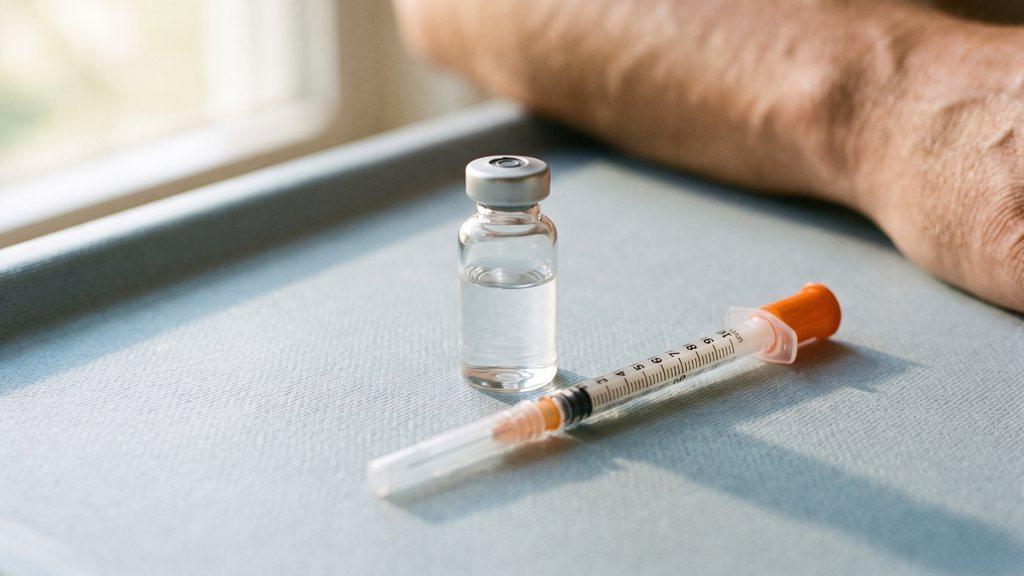
Microdosing is often done by splitting doses from a pen or drawing partial doses from a vial, which introduces measurement error. A patient who believes they are taking a tenth of a dose may be taking a quarter, or nearly none. Multi-use handling of a single pen also raises contamination risk. And when a dose is not on the label and not in the chart, nobody is monitoring it: no check-in on side effects, no labs, no adjustment.
That last point is the real line between a provider-managed low dose and a self-directed microdose. The dose itself may be identical. The difference is whether a licensed provider decided it, documented it, and is watching what happens next. On a legitimate telehealth program, every dose, including a low one, is a clinical decision with follow-up attached.
How a provider approaches the request
If you ask a provider on our platform to go low, expect questions rather than a yes or no. Why low: cost, side effects, maintenance, or something you read? What is the goal, and how will you both know whether the dose is working? What does your history say about the medication being appropriate at all? The answers decide the plan.
For a patient with a weight goal and no tolerability problem, the provider will usually recommend the labeled schedule, because that is where the evidence is. For a patient who cannot tolerate escalation, holding at a lower step is routine and reasonable. For a patient at goal who wants to taper, a reduced maintenance dose with regular check-ins is a legitimate plan to try, with the understanding that it is being tested, not promised. For a patient without a metabolic indication who wants a microdose for longevity, an honest provider will say no and explain why. That judgment is the product; it is what separates physician-led care from a checkout page.
Common questions
Does microdosing a GLP-1 work for weight loss?
Lower doses produce less weight loss than labeled doses; that dose-response relationship is well established. Some patients do lose weight at low doses, but there is no large trial of deliberate microdosing, and the evidence for it is mostly anecdotal. A provider on a medical weight program can help you decide whether a lower dose fits your goals and tolerability.
Is microdosing safer than the full dose?
Side effects like nausea generally scale with dose, so a lower dose is often better tolerated. But microdosing introduces its own risks: measurement error when splitting doses, contamination from multi-use handling, and the absence of monitoring when the dose is not part of a provider's plan. A low dose decided and documented by a provider is a different thing from a self-directed one.
Can I microdose a GLP-1 for longevity?
There is no evidence in people that small GLP-1 doses extend lifespan or healthspan in someone without a metabolic indication. The longevity benefits seen in research come from people with obesity or diabetes taking therapeutic doses. If longevity is the goal, start with a baseline lab panel and a provider's view of what your numbers actually say.
Can I use a lower dose to maintain my weight after reaching my goal?
Some clinicians use a reduced maintenance dose for exactly this, with regular check-ins, and some patients do well on it. The trials that would confirm it have not been done, so it is a plan to test with your provider rather than a promise. Stopping entirely is associated with substantial regain, which we cover in what happens when you stop a GLP-1.
This article is for general education and is not medical advice. Protocols described here require an online consultation with a licensed provider who will determine if a prescription is appropriate for you. Explore weight & metabolic options or read the FAQ.