Key takeaways
- Longevity medicine is proactive care: it measures and manages health risks years before they become diagnoses, rather than waiting for disease.
- The work starts with biomarkers — a broad blood panel that turns vague goals like 'age well' into specific, trackable numbers.
- A physician-supervised longevity protocol combines baseline labs, individualized interventions and scheduled re-testing to confirm what's working.
- No legitimate program promises to reverse the aging process. The honest goal is supporting healthy aging and improving measurable markers over time.
Longevity medicine is a proactive, biomarker-driven approach to healthcare focused on extending the years you spend healthy and capable — not just treating disease after it appears. Where conventional care typically waits for a diagnosis, longevity medicine measures how your body is functioning now, identifies risks early, and intervenes while intervention is still easy.
That framing attracts both serious physicians and serious hype, so it's worth being precise about what the field can and cannot do. This guide covers the shift from reactive to proactive care, why everything starts with lab work, what a physician-supervised protocol actually involves, and the honest limits every patient deserves to hear up front.
Proactive vs. reactive: the core shift
Most healthcare is reactive by design. You develop symptoms, you see a doctor, you get a diagnosis, you get treated. That model is very good at handling acute problems and established disease — and structurally bad at the decades-long, mostly silent decline that precedes them. Metabolic dysfunction, hormonal decline and cardiovascular risk typically build for ten or twenty years before they earn a diagnosis code.
Longevity medicine inverts the sequence. Instead of asking 'what disease do you have?', it asks 'what direction are your numbers heading, and what can we change while the trend is still cheap to change?' A fasting glucose that has crept upward for five years is not diabetes — but it is information, and acting on it early may matter far more than acting on it late.
This is not a rejection of conventional medicine. It's the same evidence base applied earlier in the timeline, with a physician watching trendlines instead of waiting for thresholds.
Why longevity medicine starts with biomarkers
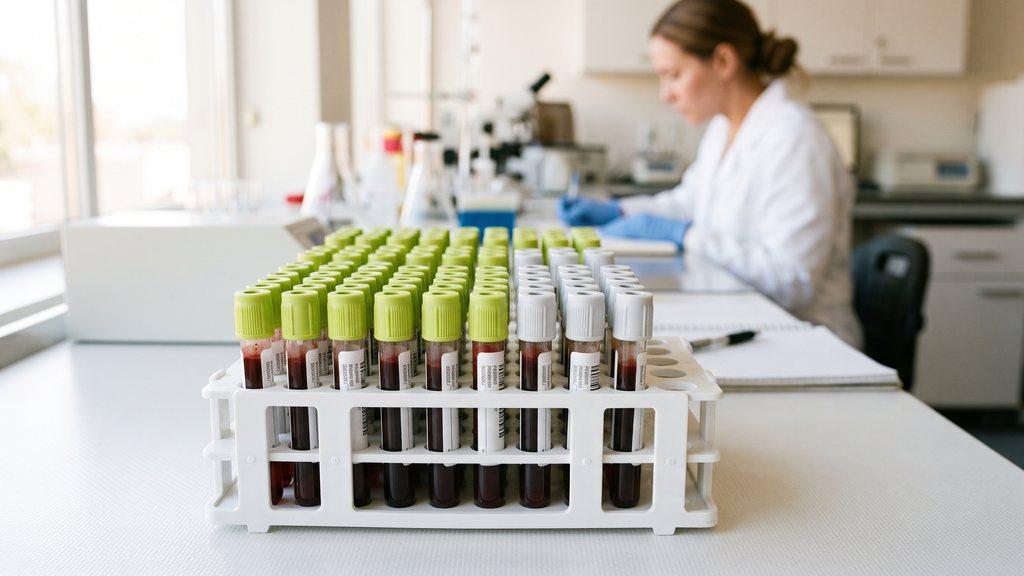
You cannot manage what you haven't measured, and 'I feel fine' is a famously unreliable dataset. A broad baseline panel — like the 62-biomarker panel used on our platform — converts vague intentions into specific numbers a physician can act on:
- Metabolic markers — fasting glucose, HbA1c, insulin and lipid particles show how your body handles fuel, often the earliest place decline shows up.
- Hormones — testosterone, estradiol, thyroid markers and cortisol shape energy, body composition, mood and recovery in both sexes.
- Inflammation and organ function — markers like hs-CRP, plus kidney and liver values, flag quiet stress on core systems.
- Nutrient status — ferritin, B12 and vitamin D are common, correctable contributors to fatigue and poor recovery.
What a physician-supervised longevity protocol involves
A legitimate longevity protocol is a loop, not a product. It begins with baseline labs and a review by a licensed physician who interprets your results against your history, symptoms and goals — not against a marketing script. From there, the physician recommends interventions matched to what your data actually shows.
Those interventions are usually less exotic than the industry's image suggests: structured changes to sleep, training and nutrition; correction of deficiencies; and, where clinically appropriate, prescription support for specific systems — hormone protocols for documented deficiencies, or metabolic protocols where labs and history justify them. Your physician determines whether any prescription is appropriate; measurement alone never triggers one.
The loop closes with re-testing on a schedule your physician sets, so decisions rest on your response rather than assumptions. How often depends on what's being managed — we cover the logic in how often you should get blood work.
The honest limits: what longevity medicine can't do
No one can reverse the aging process, and any program that implies otherwise is selling something. Aging is not a disease with a single mechanism to switch off; it's the accumulated behavior of many interacting systems. The evidence-supported claim is narrower and more useful: many of the *markers* associated with age-related decline are modifiable, and improving them may improve how you function and how your risks trend.
It's also worth saying plainly that longevity science is young. Some popular interventions have strong evidence, some have promising early research, and some have mostly enthusiasm. A trustworthy physician will tell you which category a recommendation falls into — and a trustworthy platform will hedge where the data hedges. What longevity medicine offers with confidence is process: measure honestly, intervene conservatively, re-measure, and keep what works for you.
How to get started
The entry point is data, not a subscription to someone's supplement stack. Start with a comprehensive baseline panel, have a licensed physician review it with you, and build from what your numbers actually show. Our longevity programs follow exactly that sequence — labs first, physician review, then an individualized plan with scheduled follow-up testing.
If you're evaluating any longevity service, apply one filter: does it measure before it recommends, and does it re-measure after? Programs that skip either half of that loop aren't practicing longevity medicine — they're guessing. You can see how our full process works, from panel to physician review, at how it works.
Common questions
Is longevity medicine legitimate?
The proactive, measurement-first approach is grounded in mainstream preventive medicine, and the biomarkers it tracks are standard clinical labs. What varies is execution. Legitimate programs use licensed physicians, base recommendations on your labs, and avoid promises about reversing aging. Programs that skip measurement or guarantee outcomes are the ones to avoid.
Do I need to be sick to benefit from longevity medicine?
No — the model is specifically built for people who are not sick yet. Its core value is catching unfavorable trends in metabolic, hormonal and inflammatory markers years before they become diagnoses, when smaller changes may still shift the trajectory. Feeling fine and having ideal labs are not the same thing.
What does a longevity protocol include?
A baseline blood panel, interpretation by a licensed physician, and an individualized plan — typically sleep, training and nutrition changes, correction of deficiencies, and prescription support only where your labs and history make it appropriate. Re-testing on a physician-set cadence confirms whether the plan is working. Learn more at how it works.
This article is for general education and is not medical advice. Protocols described here require an online consultation with a licensed provider who will determine if a prescription is appropriate for you. Explore longevity options or read the FAQ.