Natural GLP-1 Boosters and Alternatives: What Works
Key takeaways
- No food, fiber or supplement reproduces the effect of a prescription GLP-1 medication. Natural approaches nudge your own hormone release; medications keep the receptor activated for days.
- Protein, fiber-rich whole foods and eating more slowly are linked with higher natural GLP-1 release and better fullness. They are worth doing whether or not you ever take medication.
- Supplements sold as 'natural GLP-1' (berberine is the most common) have small, inconsistent trial results and are not reviewed by the FDA for safety or effectiveness before they are sold.
- Structured lifestyle programs have the strongest non-drug evidence: in the Diabetes Prevention Program, intensive lifestyle change lowered the rate of new type 2 diabetes by 58% versus placebo.
- Products online that claim to contain semaglutide or tirzepatide without a prescription are a safety risk, not a natural alternative.
There is no natural substance that works like a GLP-1 medication, but some foods and habits can modestly raise the GLP-1 your own gut releases and help you feel full sooner. The gap is a matter of scale: your body's GLP-1 is broken down within minutes, while prescription GLP-1 receptor agonists are engineered to keep acting for about a week. That difference is why food choices help at the margins and medication changes appetite in a way most people notice.
This guide sorts the evidence into three groups: food and eating patterns, supplements marketed as 'GLP-1 boosters,' and structured lifestyle programs. It also explains why look-alike products sold without a prescription are a different and riskier category, and how to decide whether a conversation about medication makes sense for you.
What does natural GLP-1 actually do?
GLP-1 (glucagon-like peptide-1) is a hormone released by cells in your small intestine within minutes of eating. It signals fullness to the brain, slows how fast the stomach empties, and helps the pancreas release insulin in proportion to the glucose arriving in your blood. Our guide to how GLP-1 protocols work covers the mechanism in more detail.
The catch is that natural GLP-1 is cleared by an enzyme called DPP-4 within a couple of minutes. Medications such as semaglutide were designed to resist that breakdown, so the signal stays on around the clock at levels far above what a meal produces. Anything that works by increasing your own release is therefore working with a short, meal-linked pulse, not a steady weekly signal.
Which foods and eating habits support your own GLP-1?
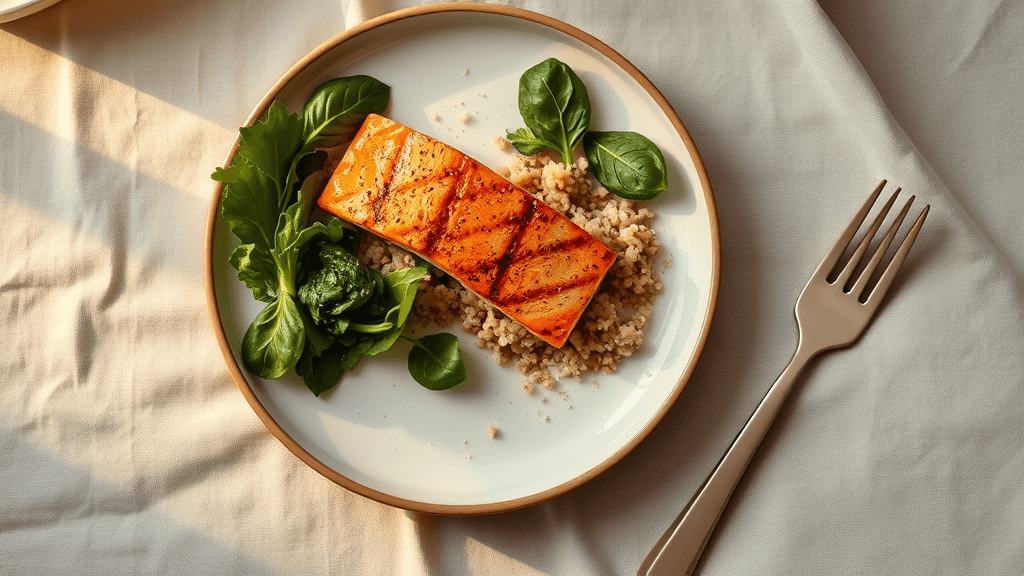
Protein, fermentable fiber and minimally processed foods are the dietary factors most consistently linked with stronger GLP-1 and fullness responses in research reviews. None of these produce a dramatic effect on their own, but together they shape how satisfied you feel after a meal.
- Protein at each meal. Protein triggers gut hormones tied to fullness and helps preserve muscle when you eat less. Our protein calculator gives a daily range based on your weight and goal.
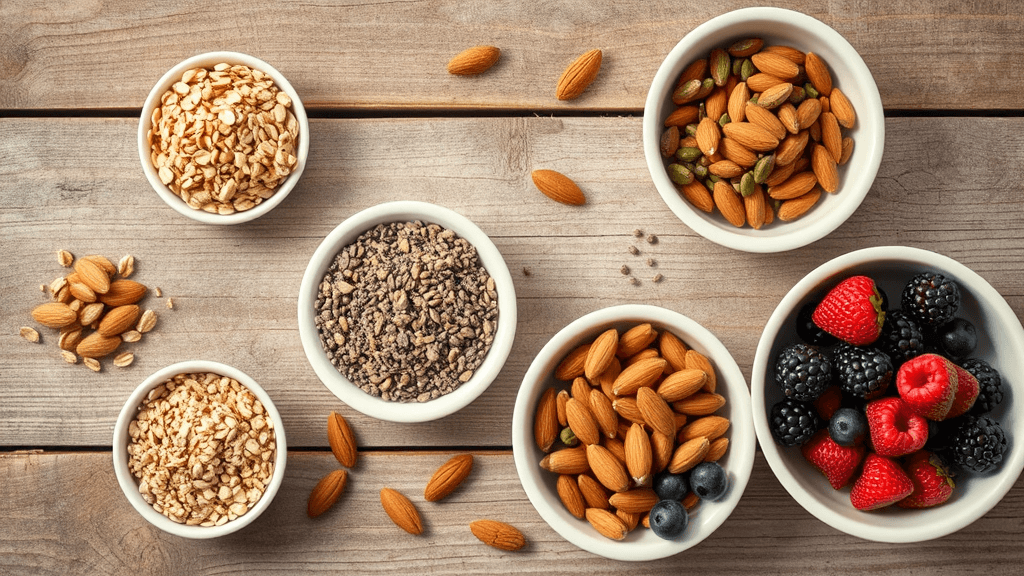
- Fermentable and viscous fiber. Oats, beans, lentils, barley, chia and psyllium feed gut bacteria that produce short-chain fatty acids, which can stimulate the cells that release GLP-1. Viscous fibers also slow digestion directly.
- Whole foods over ultra-processed ones. Foods that take longer to chew and digest tend to be eaten more slowly, giving gut hormones time to register before the meal is over.
- Vegetables and protein before starches. Small crossover studies suggest that eating carbohydrates last in a meal can blunt the blood sugar spike and change the gut hormone response.
- Regular movement. Exercise affects appetite hormones and insulin sensitivity, though its direct effect on GLP-1 is modest and varies between people.
If you want a concrete way to build meals around these principles, our guide to what to eat on a GLP-1 applies just as well to people who are not taking medication.
Do supplements like berberine work like a GLP-1?
No. Berberine, the supplement most often marketed as 'nature's GLP-1,' has modest and inconsistent effects in trials and does not act on the GLP-1 receptor the way the medications do. It is a plant compound that appears to influence glucose metabolism through other pathways, and some lab research suggests it may raise GLP-1 release, but human data on that point are limited.
Meta-analyses that pool small randomized trials report small average reductions in weight, BMI and waist size with berberine, with wide variation between studies and many trials of short duration or uneven quality. That is a long way from the double-digit average weight changes seen with prescription GLP-1s in large, long trials.
Safety deserves more attention than the marketing gives it. Berberine commonly causes digestive upset, can lower blood sugar (which matters if you take diabetes medicines), and can interact with drugs that share the same liver enzymes. Other products sold as GLP-1 boosters, such as blends of fiber, probiotics, green tea extract or chromium, have even thinner evidence for weight outcomes.
How are supplements regulated compared with GLP-1 medications?
Dietary supplements are not approved by the FDA for safety or effectiveness before they are sold, while prescription medications must show both in clinical trials before approval. Under US law, supplement makers are responsible for their own products' safety and labeling, and the FDA generally acts only after a problem is found.
FDA-approved GLP-1 medication
- FDA review before sale
- Yes, for safety and effectiveness
- Evidence for weight change
- Large, long randomized trials
- Who oversees use
- A licensed prescriber
Compounded GLP-1 from a licensed pharmacy
- FDA review before sale
- No; the specific formulation is not FDA-approved
- Evidence for weight change
- Relies on trials of the approved drug
- Who oversees use
- A licensed prescriber and pharmacy
Dietary supplement
- FDA review before sale
- No
- Evidence for weight change
- Small, mixed trials
- Who oversees use
- Usually no one
Food, fiber and lifestyle program
- FDA review before sale
- Not applicable
- Evidence for weight change
- Strong for structured programs
- Who oversees use
- Self-directed or a coach or clinician
| Option | FDA review before sale | Evidence for weight change | Who oversees use |
|---|---|---|---|
| FDA-approved GLP-1 medication | Yes, for safety and effectiveness | Large, long randomized trials | A licensed prescriber |
| Compounded GLP-1 from a licensed pharmacy | No; the specific formulation is not FDA-approved | Relies on trials of the approved drug | A licensed prescriber and pharmacy |
| Dietary supplement | No | Small, mixed trials | Usually no one |
| Food, fiber and lifestyle program | Not applicable | Strong for structured programs | Self-directed or a coach or clinician |
Supplement labels can also be unreliable. The FDA has repeatedly found weight-loss supplements containing undeclared prescription drug ingredients, which is one more reason to tell your clinician about anything you take. Our review of weight-loss supplement evidence covers that problem and the wider supplement category.
What is the best-proven non-medication approach?
A structured, coached lifestyle program has the strongest non-drug evidence. In the Diabetes Prevention Program, a large NIH-funded trial in adults with prediabetes, an intensive lifestyle program aiming for about 7% weight loss and 150 minutes of weekly activity reduced the rate of new type 2 diabetes by 58% compared with placebo over about three years. Metformin reduced it by 31% in the same trial.
The lesson is not that willpower beats medication. It is that consistent changes to food, activity and sleep, supported over time, produce real metabolic benefits, and that those same habits make medication work better for people who do use it. For many people, the most realistic plan is both: lifestyle as the base, with medication considered when the label criteria and a clinician's judgment support it.
Are GLP-1 products sold online without a prescription a natural alternative?
No. Products sold without a prescription that claim to contain semaglutide or tirzepatide are unapproved drugs, not natural options, and the FDA has warned that some contain the wrong ingredient, the wrong amount or contaminants. The agency has also received reports of people hospitalized after dosing errors with these products.
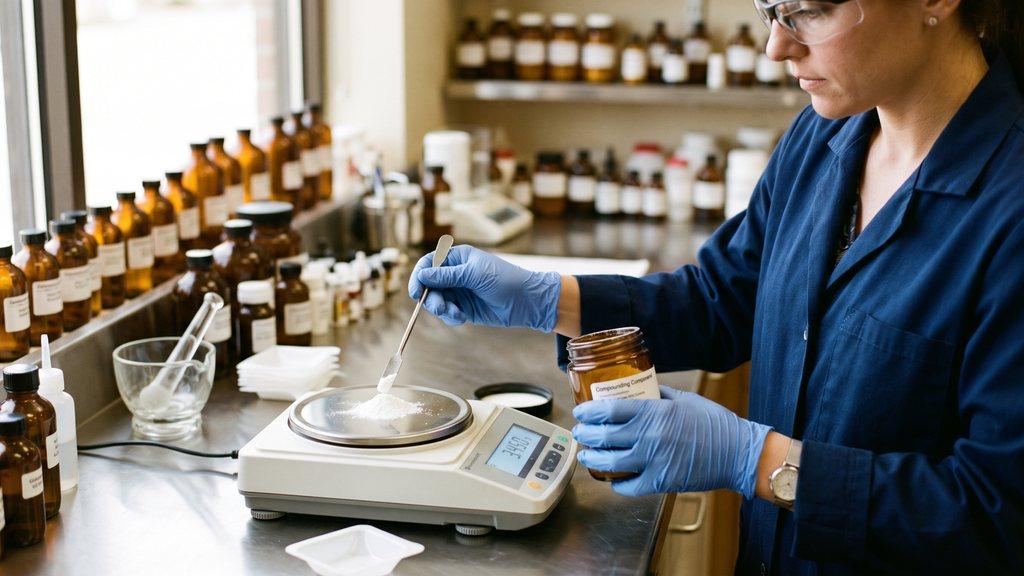
Watch for 'research use only' vials, sellers that never ask for medical history, and products described as 'GLP-1 drops' or 'oral GLP-1' supplements. Real GLP-1 medications require a prescription, whether they are FDA-approved or compounded by a licensed US pharmacy. Compounded versions are not FDA-approved, which our article on compounded GLP-1s in 2026 explains.
When is it worth talking to a clinician about medication?
It is worth a conversation when your BMI is 30 or higher, or 27 or higher with a weight-related condition such as high blood pressure, prediabetes or sleep apnea, and lifestyle changes alone have not been enough. Those are the thresholds in the FDA labels for GLP-1 weight medications, and our BMI calculator will show where you stand.
A licensed provider can review your history and labs, explain the trade-offs, and decide whether a prescription is appropriate. If you want to explore that route, our foundational metabolic program starts with an evaluation, and medication is prescribed only if a provider decides it fits.
Common questions
Is there a natural form of semaglutide?
No. Semaglutide is a lab-made molecule modeled on human GLP-1 and modified so it lasts about a week in the body. No plant, food or supplement contains it. Products sold as 'natural semaglutide' are either supplements with unrelated ingredients or unapproved drugs, and neither should be treated as equivalent to the medication.
Does berberine help with weight loss?
Pooled analyses of small trials suggest berberine may produce small reductions in weight and waist size, but results vary widely and many studies are short or low quality. It commonly causes stomach upset and can interact with other medications and lower blood sugar. Talk with a clinician before trying it, especially if you take diabetes or blood-pressure medicines.
Can fiber supplements raise GLP-1?
Fermentable and viscous fibers such as psyllium, oat beta-glucan and inulin can increase short-chain fatty acids in the gut, which may stimulate GLP-1 release, and they help with fullness and regularity. The effect on weight is modest. Increase fiber gradually and drink enough water to limit bloating.
Can I use natural approaches together with a GLP-1 medication?
Food and lifestyle strategies pair well with medication: protein supports muscle, fiber helps with constipation, and regular activity supports long-term results. Supplements are different. Tell your prescriber about any you take, since some affect blood sugar, digestion or how other drugs are processed.
Do probiotics act like GLP-1 drugs?
There is no good evidence that probiotics produce GLP-1 drug-like effects in people. Research into how gut bacteria influence appetite hormones is active and interesting, but probiotic products vary widely in strains and amounts, and trials on weight outcomes have been small and inconsistent.
Is a natural approach safer than medication?
Not automatically. Food-based changes are low risk, but supplements are not reviewed for safety before sale and can interact with medications. Prescription GLP-1s have known side effects, but they also come with labeled risks, monitoring and a clinician who can adjust or stop treatment. The safest plan is the one matched to your health history.
Sources
- Knowler WC, Barrett-Connor E, Fowler SE, et al. Reduction in the incidence of type 2 diabetes with lifestyle intervention or metformin. N Engl J Med. 2002;346:393–403. Link (opens in a new tab)
- National Institute of Diabetes and Digestive and Kidney Diseases (NIH). Diabetes Prevention Program (DPP). Link (opens in a new tab)
- Elahi Vahed I, et al. The effect of berberine on obesity indices: a systematic review and meta-analysis. Int J Obes (Lond). 2026;50:53–73. Link (opens in a new tab)
- Kouraki A, et al. Interactions between nutrition, GLP-1 secretion, and composition of the gut microbiome. Curr Opin Clin Nutr Metab Care. 2026;29:410–420. Link (opens in a new tab)
- National Center for Complementary and Integrative Health (NIH). Weight control and complementary approaches. Link (opens in a new tab)
- US Food and Drug Administration. Dietary supplements. Link (opens in a new tab)
- US Food and Drug Administration. Weight loss product notifications (tainted products with hidden drug ingredients). Link (opens in a new tab)
- US Food and Drug Administration. FDA's concerns with unapproved GLP-1 drugs used for weight loss. Link (opens in a new tab)
This article is for general education and is not medical advice. Protocols described here require an online consultation with a licensed provider who will determine if a prescription is appropriate for you. Explore weight & metabolic options or read the FAQ.