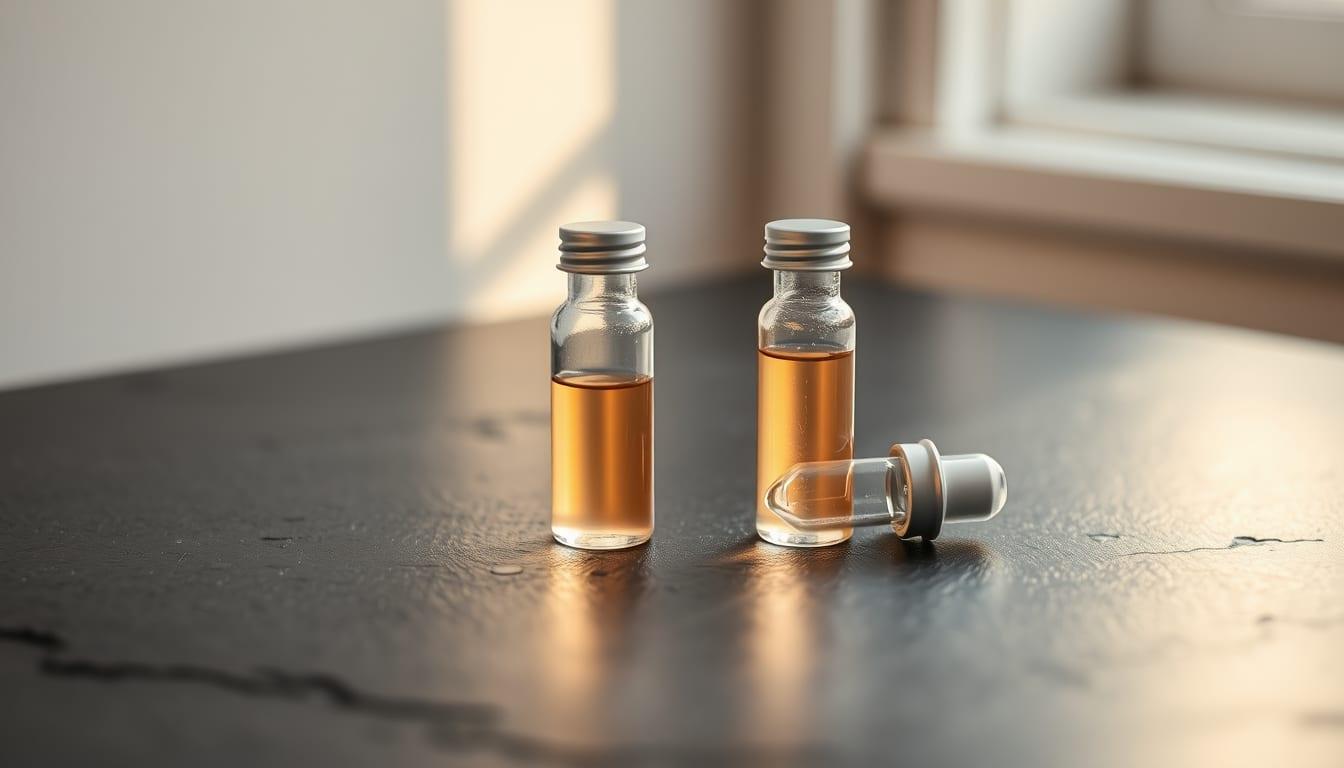
Vitamin B12, or cobalamin, is a water-soluble vitamin your body needs to make red blood cells, copy DNA and keep nerves working. Most people get enough from animal foods, but deficiency is common in older adults, people who cannot absorb it from food, strict vegans, and people on long-term metformin or acid-reducing medicine.
B12 comes as a supplement and as prescription injections and nasal products used to treat deficiency. This guide explains the different forms, what B12 is and is not proven to do, how deficiency is tested, the side effects and cautions, and where compounded B12 fits. A clinician should confirm a deficiency and choose the form and amount.
At a glance
- Also called
- Cyanocobalamin, Methylcobalamin, Hydroxocobalamin, Cobalamin
- Drug class
- Vitamin (cobalamin)
- Forms
- Intramuscular or subcutaneous injection · Oral tablet or capsule · Sublingual tablet or lozenge · Nasal gel or spray
- FDA status
- Cyanocobalamin and hydroxocobalamin injections and a nasal form are FDA-approved prescriptions; oral B12 is sold as a supplement; methylcobalamin injections are compounded.
- Prescription
- Prescription only
- Forms: cyanocobalamin, hydroxocobalamin, methylcobalamin and adenosylcobalamin
- Routes: injection into the muscle or under the skin, tablets, under-the-tongue lozenges, nasal gel
- FDA-approved prescription injections treat deficiency, including pernicious anemia
- Higher risk of deficiency: older age, stomach or bowel surgery, vegan diets, metformin and long-term acid reducers
- Tested with a blood B12 level, sometimes confirmed with methylmalonic acid
What does vitamin B12 do in the body?
B12 works as a helper molecule for two enzymes. One, methionine synthase, converts homocysteine into the amino acid methionine and is tied to folate metabolism and DNA production. The other, methylmalonyl-CoA mutase, helps process certain fats and proteins. When B12 runs short, rapidly dividing cells such as red blood cell precursors cannot divide normally, and the protective coating around nerves (myelin) can be damaged.
Absorbing B12 from food takes several steps. Stomach acid releases it from protein, it binds to intrinsic factor, a protein made by the stomach lining, and the pair is absorbed at the end of the small intestine. A problem at any step, from low stomach acid to a missing segment of bowel, can lead to deficiency even with a good diet.
The name covers several related compounds. Methylcobalamin and adenosylcobalamin are the forms the body actually uses. Cyanocobalamin, the most common supplement form, and hydroxocobalamin are converted into those active forms after absorption.
What is vitamin B12 prescribed for?
Prescription cyanocobalamin injection is FDA-approved to treat B12 deficiency caused by poor absorption. The label lists pernicious anemia, stomach or bowel disease or surgery (including removal of part of the stomach, celiac disease and bacterial overgrowth), fish tapeworm, cancer of the pancreas or bowel, and folic acid deficiency. Hydroxocobalamin injection and a cyanocobalamin nasal gel are also prescription options for deficiency.
Pernicious anemia is an autoimmune condition in which the stomach stops making intrinsic factor, so dietary B12 cannot be absorbed. It is a lifelong condition, and treatment continues for life.
B12 is also widely marketed for energy, weight loss and athletic performance. The NIH Office of Dietary Supplements reports that B12 does not appear to improve performance or endurance in people who are not deficient, and trials have not shown that B12 supplements prevent heart disease or improve memory in older adults. Using B12 injections for these purposes in someone with normal levels is off-label and not supported by good evidence. Feeling tired has many causes, and our article on why you might always feel tired walks through them.
Who is most likely to be low in B12?
According to the NIH, the groups most at risk include:
- Older adults. Depending on the definition, between 3% and 43% of older adults living in the community have low B12, often because of atrophic gastritis, which reduces stomach acid and intrinsic factor.
- People with pernicious anemia or digestive disease, such as celiac disease or Crohn's disease.
- People who have had stomach or bowel surgery, including surgery that removes part or all of the stomach.
- Vegetarians and vegans. B12 occurs naturally only in animal foods, although some cereals and nutritional yeasts are fortified. Babies of mothers on strict vegan diets can also become deficient.
- People taking metformin. In the long-running Diabetes Prevention Program study, low B12 was about twice as common with metformin as with placebo after five years (4.3% vs. 2.3%), and each year of metformin use raised the odds of deficiency.
- People on long-term acid reducers. In a large study, two or more years of proton pump inhibitor or H2 blocker use was linked to a higher risk of a new B12 deficiency diagnosis, because stomach acid is needed to free B12 from food.
How is vitamin B12 taken?
Injection. Prescription cyanocobalamin is injected into a muscle or under the skin, usually by a clinician at first, with a course that is front-loaded and then spaced out. Because an injection bypasses the gut, it is the standard choice when absorption itself is the problem. The label advises against giving it into a vein, because most of it is lost in the urine.
By mouth. Tablets and capsules are sold as supplements. A Cochrane review summarized by the NIH found low-quality evidence that very high oral doses raised blood B12 about as well as injections in people with deficiency, because a small fraction is absorbed without intrinsic factor. The NIH reports no difference in effect between swallowed and under-the-tongue forms.
Nasal. A prescription cyanocobalamin nasal gel is also available. In one small study, a nasal dose was absorbed about as well as an oral dose.
Which route, how much and for how long depends on the cause and severity of the deficiency, so let your clinician set the plan and recheck your levels.
What are the side effects of vitamin B12?
B12 from food and supplements is generally well tolerated, and the Food and Nutrition Board did not set an upper limit because of its low potential for toxicity. Prescription injections are a different matter and carry label warnings.
Side effects listed on the cyanocobalamin injection label include mild, short-lived diarrhea, itching, rash and a feeling of swelling throughout the body. Rare but serious reactions include severe allergic reactions (anaphylaxis), fluid on the lungs and heart failure early in treatment, blood clots in the limbs, and low potassium when severe anemia is corrected quickly. MedlinePlus advises calling a doctor right away for shortness of breath, a fast heartbeat, swelling in the legs, muscle cramps or weakness, or hives and trouble breathing.
Who should be careful with B12, and what does it interact with?
- Cobalt or B12 allergy: a contraindication for the injection.
- Leber's hereditary optic neuropathy: the label warns that people with early Leber's disease treated with cyanocobalamin had rapid optic nerve damage.
- Kidney disease: some injection products contain aluminum, which can build up when kidney function is reduced.
- Folic acid without a diagnosis: high doses of folic acid can correct the anemia of B12 deficiency while nerve damage continues, which can hide the real problem. Get tested before treating anemia on your own.
- Medications that lower B12: metformin, proton pump inhibitors and H2 blockers, as described above. If you take these regularly, ask whether your B12 should be checked.
- Pregnancy and breastfeeding: needs rise, so discuss the right amount with your clinician.
Untreated deficiency is not harmless. The injection label warns that deficiency allowed to progress for more than three months can cause permanent spinal cord damage, which is why symptoms such as numbness, tingling, balance problems or memory changes deserve prompt testing.
How is B12 deficiency tested?
A blood test for serum B12 is the usual first step. Most laboratories consider levels below about 200 to 250 pg/mL low. Because borderline results are common, clinicians may add methylmalonic acid (MMA), the most sensitive marker of B12 status, and sometimes homocysteine, along with a complete blood count and folate. Symptoms of deficiency can take years to appear and include fatigue, weakness, pale skin, palpitations, a sore tongue, numbness or tingling in the hands and feet, balance problems, low mood and poor memory.
If you are on metformin or long-term acid reducers, follow a plant-based diet, or have had digestive surgery, testing on a schedule your clinician recommends is sensible. Our guides to biomarker panels and how often to get blood work explain what is measured and when.
Compounded B12 and B12 added to other medications
The B12 injections approved as prescription drugs are cyanocobalamin and hydroxocobalamin. Methylcobalamin injections offered by clinics and wellness programs are made by compounding pharmacies, and compounded medications are not FDA-approved; the FDA does not review them for safety, effectiveness or quality before they are dispensed. Some compounded weight-management products also add B12 to the main medication. There is no FDA review showing that added B12 changes how those medications work, so treat it as a formulation detail rather than a benefit.
How much does vitamin B12 cost?
Oral B12 supplements are inexpensive and sold over the counter. Prescription cyanocobalamin injection is available as a generic, and when it treats a diagnosed deficiency it may be covered by insurance, along with the visit to give the shot; check your plan. Prices for the prescription nasal form vary, so compare before filling. Wellness-clinic B12 or methylcobalamin shots are typically cash-pay, so ask whether a deficiency has actually been documented before paying for repeat injections.
Talk with a provider
Check your B12 before you treat it
We do not offer standalone B12 treatment. Our Ultimate Health Panel measures vitamin B12 and folate alongside iron studies, thyroid and metabolic markers, and a licensed provider reviews the results with you. Some compounded GLP-1 programs include B12 in the formulation.
A licensed provider decides whether any medication is appropriate for you. Not everyone who has a consultation is prescribed medication.
Frequently asked questions
What is the difference between cyanocobalamin and methylcobalamin?
Cyanocobalamin is a stable, man-made form of B12 that the body converts into the active forms, while methylcobalamin is one of those active forms. Both raise B12 levels. Cyanocobalamin is the form used in FDA-approved injections and most supplements; methylcobalamin injections are compounded.
Are B12 injections better than pills?
B12 injections are the standard choice when the body cannot absorb B12 from the gut, as in pernicious anemia or after some stomach surgeries. For many other people, low-quality evidence suggests very high oral doses can raise blood levels about as well. Your clinician picks the route based on the cause.
Do B12 shots give you energy?
B12 shots raise energy only if fatigue is caused by a B12 deficiency. The NIH reports that B12 does not appear to improve energy, endurance or athletic performance in people whose levels are already adequate.
Does metformin cause B12 deficiency?
Long-term metformin use is linked to lower B12 levels. In the Diabetes Prevention Program study, low B12 was more common with metformin than placebo after five years, and the risk rose with each year of use. Ask your provider whether you should be tested.
Can you take too much vitamin B12?
There is no official upper limit for B12 from food and supplements because toxicity is rare. Prescription injections can cause side effects, including rare severe allergic reactions, and large doses of folic acid can hide B12 deficiency, so treatment should follow testing.
What are the first signs of low B12?
Early signs of low B12 often include tiredness, weakness, pale skin and palpitations. Nerve symptoms such as numbness or tingling in the hands and feet, balance problems, a sore tongue, low mood and memory changes can follow. Symptoms may take years to appear.
Is B12 added to GLP-1 medications?
Some compounding pharmacies add B12 to compounded GLP-1 medications such as semaglutide. Compounded medications are not FDA-approved, and there is no FDA review showing the added B12 changes how the medication works.
How do I get my B12 tested?
A standard blood test measures serum B12, and some labs add methylmalonic acid to confirm borderline results. Our lab panels include B12 and folate with a provider review of your results.
Sources
- National Institutes of Health, Office of Dietary Supplements. Vitamin B12: fact sheet for health professionals. Link (opens in a new tab)
- National Institutes of Health, Office of Dietary Supplements. Vitamin B12: fact sheet for consumers. Link (opens in a new tab)
- Cyanocobalamin injection, USP: prescribing information (DailyMed). Link (opens in a new tab)
- MedlinePlus (National Library of Medicine). Cyanocobalamin injection. Link (opens in a new tab)
- MedlinePlus (National Library of Medicine). Vitamin B12 deficiency anemia. Link (opens in a new tab)
- Aroda VR, Edelstein SL, Goldberg RB, et al. Long-term metformin use and vitamin B12 deficiency in the Diabetes Prevention Program Outcomes Study. J Clin Endocrinol Metab. 2016;101:1754–1761. Link (opens in a new tab)
- Lam JR, Schneider JL, Zhao W, Corley DA. Proton pump inhibitor and histamine 2 receptor antagonist use and vitamin B12 deficiency. JAMA. 2013;310:2435–2442. Link (opens in a new tab)
- US Food and Drug Administration. Compounding and the FDA: questions and answers. Link (opens in a new tab)
For education only. This guide is for general education and is not medical advice. It does not replace the prescribing information for your medication or a conversation with a licensed provider, and it does not cover every use, precaution, interaction or side effect. Only a licensed provider can decide whether a medication is appropriate for you and at what dose. If you think you are having a serious reaction or an emergency, call 911.