Does Cycling Cause ED? Saddles, Numbness and Evidence
Key takeaways
- Sitting on a standard bike saddle compresses arteries and nerves in the perineum and temporarily lowers blood flow and oxygen to the penis.
- Studies disagree on long-term ED: a large 2018 survey found cyclists had no worse erectile function than swimmers or runners, while a 2021 meta-analysis found higher odds of ED in cyclists after adjusting for age and health.
- Genital numbness during or after riding is a warning sign of too much perineal pressure and is worth fixing.
- Wider or noseless saddles, a recumbent position, standing on the pedals regularly and a higher handlebar have been linked with less pressure or numbness.
- For most men, the cardiovascular benefits of cycling support erectile health; the goal is to ride smarter, not to stop.
Cycling can contribute to erectile dysfunction in some men, mainly through pressure on the perineum, the area between the scrotum and anus where the arteries and nerves that serve the penis run. A poorly fitted saddle can squeeze those structures and cut blood flow for as long as you sit on it. Whether that leads to lasting ED is less clear, and for most riders the benefits of regular exercise on heart and blood vessel health outweigh the risk, especially with a few changes to equipment and riding position.
This guide explains what the research shows, which symptoms deserve attention and how to adjust your setup. For the broader picture of habits that support erections, see our guide to lifestyle changes for erectile function.
How can a bike saddle affect erections?
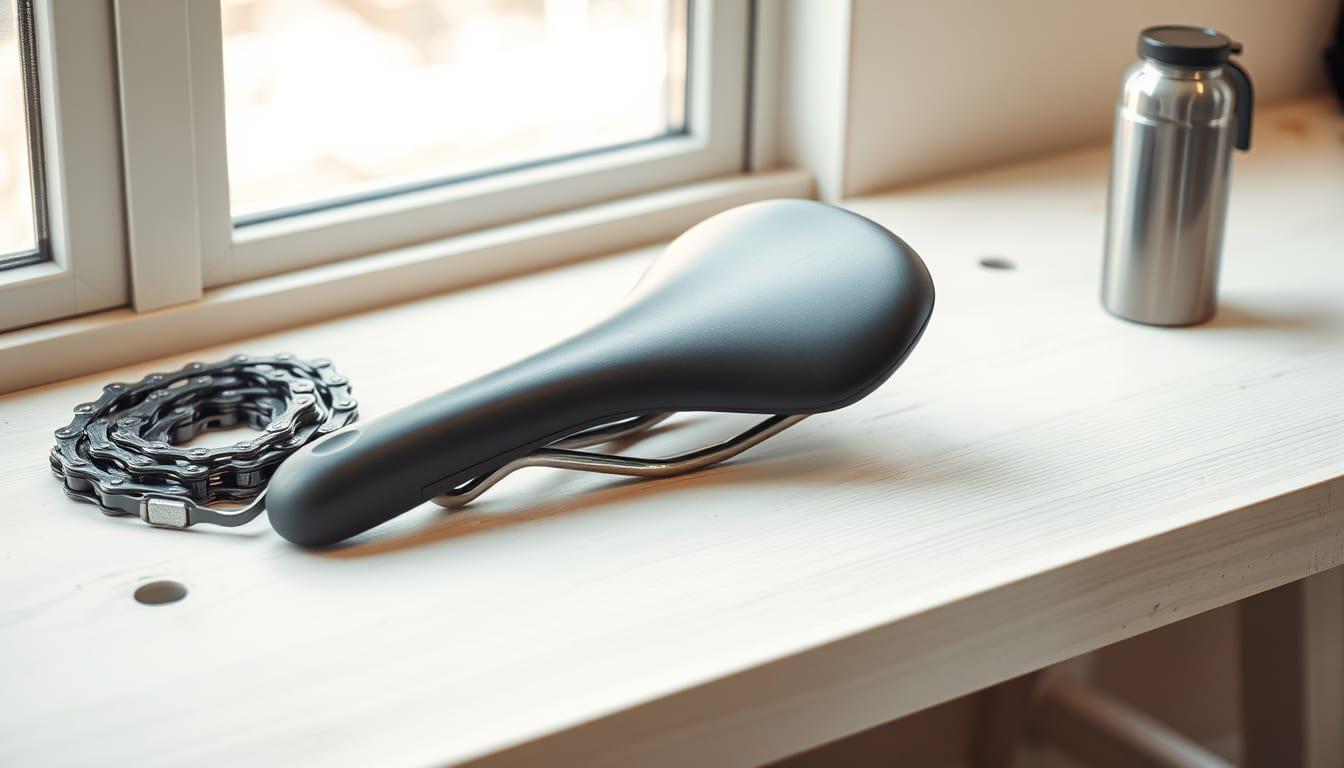
When you sit upright on a narrow saddle, much of your weight rests on the soft tissue of the perineum rather than on the sit bones. That area contains the pudendal arteries, which carry blood to the penis, and the pudendal nerves, which carry sensation and help trigger erections.
Several small laboratory studies have measured what happens. In a German study of 46 healthy athletic men, oxygen pressure measured at the glans fell by roughly 70% when they sat on the saddle in an upright position and returned to normal after ten minutes of standing. Riding in a reclining (recumbent) position kept levels close to baseline. A related study of 20 young men compared four saddles: oxygen pressure dropped by over 80% on a narrow, heavily padded saddle but by only about 20% on a wide saddle without a nose. The authors concluded that saddle width mattered more than the amount of padding.
Temporary drops in blood flow are not the same as ED. The concern is that repeated or prolonged compression over years, particularly with genital numbness, could injure arteries or nerves. That is plausible but harder to prove.
Do cyclists actually have more erectile dysfunction?
The large studies point in different directions:
Awad et al., 2018, J Urol
- Who was studied
- 3,932 men: cyclists vs swimmers and runners
- Finding
- Cyclists had no worse erectile scores; they had more urethral stricture and genital numbness linked to setup
Gan et al., 2021, Sex Med Rev
- Who was studied
- Meta-analysis of 6 studies: 3,330 cyclists, 1,524 non-cyclists
- Finding
- No difference before adjustment; about twice the odds of ED in cyclists after adjusting for age and health conditions
Litwinowicz et al., 2021, Sports Med
- Who was studied
- Review of 22 studies on protective strategies
- Finding
- Noseless saddles and recumbent bikes reduced perineal pressure and improved penile oxygen
| Study | Who was studied | Finding |
|---|---|---|
| Awad et al., 2018, J Urol | 3,932 men: cyclists vs swimmers and runners | Cyclists had no worse erectile scores; they had more urethral stricture and genital numbness linked to setup |
| Gan et al., 2021, Sex Med Rev | Meta-analysis of 6 studies: 3,330 cyclists, 1,524 non-cyclists | No difference before adjustment; about twice the odds of ED in cyclists after adjusting for age and health conditions |
| Litwinowicz et al., 2021, Sports Med | Review of 22 studies on protective strategies | Noseless saddles and recumbent bikes reduced perineal pressure and improved penile oxygen |
Why the disagreement? Survey studies rely on self-reported function and attract enthusiastic riders, and cyclists tend to be fitter than average, which protects erections. On the other hand, the meta-analysis found a signal once age and other conditions were taken into account, and its authors suggested some groups of cyclists may be more vulnerable than others, likely those who ride long distances with a lot of perineal pressure.
A sensible reading is that recreational cycling with a good setup is unlikely to harm erections for most men, while heavy riding on a poorly fitted bike, especially with recurring numbness, is a real risk factor worth addressing.
What symptoms should you watch for?
Occasional brief numbness that clears quickly after a long ride is common, but it is still a signal to adjust your setup. Numbness that lingers, or erection changes that persist even when you take time off the bike, should be checked by a clinician. Our article on morning erections explains why changes in them can be a useful early clue.
- Genital or perineal numbness or tingling during or after rides. This is the clearest sign of nerve compression.
- Weaker erections or fewer morning erections that track with your riding volume.
- Saddle sores or perineal pain that keep coming back.
- Changes in urination, such as a weaker stream, which in cyclists can occasionally reflect urethral narrowing.
How to reduce the risk without giving up the bike
These changes have evidence for reducing pressure, numbness or both:
- Choose a saddle that supports your sit bones. Wider saddles and noseless designs reduced perineal pressure and improved penile oxygen in studies. Noseless saddles can feel less stable, so try them in a safe setting first.
- Stand on the pedals regularly. In the 2018 survey, riders who stood for more than 20% of the time had lower odds of genital numbness.
- Raise the handlebar. A handlebar level with or higher than the saddle was associated with less numbness and fewer saddle sores. A very aggressive forward tilt shifts weight onto the perineum.
- Check saddle height and tilt. Both change how much weight lands on the perineum. A professional bike fit is worth it if you ride a lot.
- Consider a recumbent bike for indoor training or if you have had persistent symptoms.
- Take breaks on long rides to restore blood flow.
If you already have ED and ride a lot
Do not assume cycling is the only cause. ED shares risk factors with heart disease, including high blood pressure, high cholesterol, diabetes and smoking, and those deserve a look even in fit men. Our guide to ED and heart health explains why. Medicines, sleep and stress also play a part.
PDE5 inhibitors such as sildenafil and tadalafil are commonly used by active men, and a prescriber can explain any considerations around exercise, hydration and blood pressure. Our sexual health program starts with an online assessment reviewed by a licensed provider, who can discuss treatment and recommend in-person evaluation if numbness or other symptoms suggest nerve or blood vessel injury.
Common questions
Can riding a bike cause erectile dysfunction?
It can contribute in some men, mainly through saddle pressure on the arteries and nerves of the perineum. Large studies disagree on how much long-term risk this adds. A good saddle, regular standing and a proper fit reduce the pressure that is thought to cause harm.
Is numbness after cycling a sign of ED?
Numbness means the nerves and blood vessels in the perineum are being compressed. It does not mean you have ED, but repeated numbness is a warning to change your saddle or position, and lasting numbness should be checked by a clinician.
What kind of bike seat is best for erectile health?
Studies favor saddles wide enough to support your sit bones and noseless designs, which reduce perineal pressure. Padding alone matters less than shape and width. A professional bike fit can help you choose and position the saddle.
How much cycling is too much?
There is no proven cutoff. Risk seems to rise with long, frequent rides on a poorly fitted bike, especially with numbness. Standing regularly, taking breaks and adjusting your setup matter more than a specific number of hours.
Is ED from cycling permanent?
Blood-flow drops during riding are temporary and recover after you stand. Many men with cycling-related symptoms improve after changing their setup or reducing riding. Persistent ED should be evaluated, because other causes are common and treatable.
Should I stop cycling to protect my erections?
For most men, no. Regular aerobic exercise supports blood vessel and heart health, which helps erections. Adjusting your saddle, handlebar height and riding habits is usually a better approach than stopping.
Sources
- Gan ZS, Ehlers ME, Lin FC, et al. Systematic review and meta-analysis of cycling and erectile dysfunction. Sex Med Rev, 2021 Link (opens in a new tab)
- Awad MA, Gaither TW, Murphy GP, et al. Cycling, and male sexual and urinary function: results from a large, multinational, cross-sectional study. J Urol, 2018 Link (opens in a new tab)
- Litwinowicz K, Choroszy M, Wróbel A. Strategies for reducing the impact of cycling on the perineum in healthy males: systematic review and meta-analysis. Sports Med, 2021 Link (opens in a new tab)
- Schwarzer U, Sommer F, Klotz T, et al. Cycling and penile oxygen pressure: the type of saddle matters. Eur Urol, 2002 Link (opens in a new tab)
- Sommer F, Schwarzer U, Klotz T, et al. Erectile dysfunction in cyclists. Is there any difference in penile blood flow during cycling in an upright versus a reclining position? Eur Urol, 2001 Link (opens in a new tab)
This article is for general education and is not medical advice. Protocols described here require an online consultation with a licensed provider who will determine if a prescription is appropriate for you. Explore sexual health options or read the FAQ.